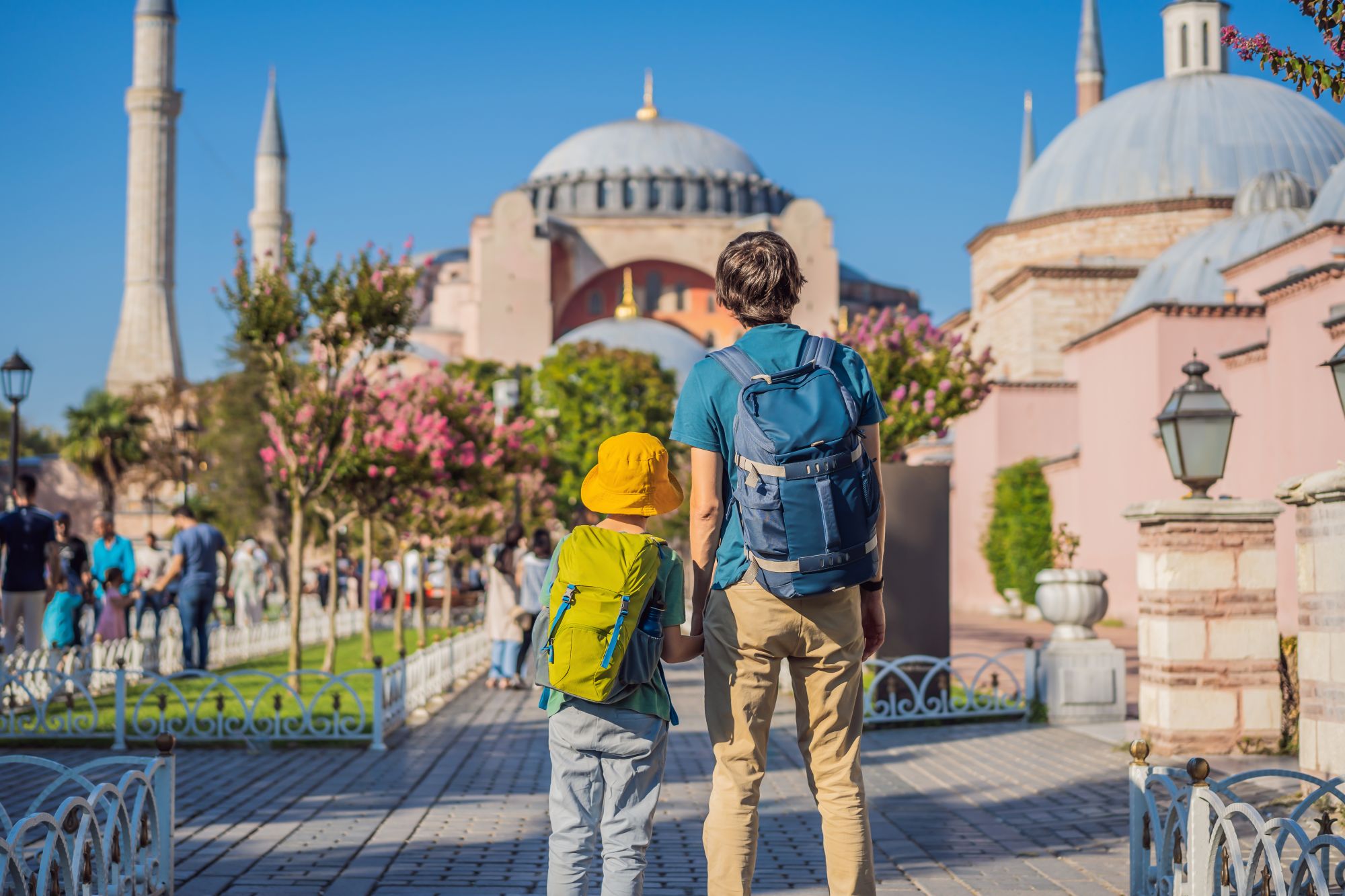
What to See in Istanbul
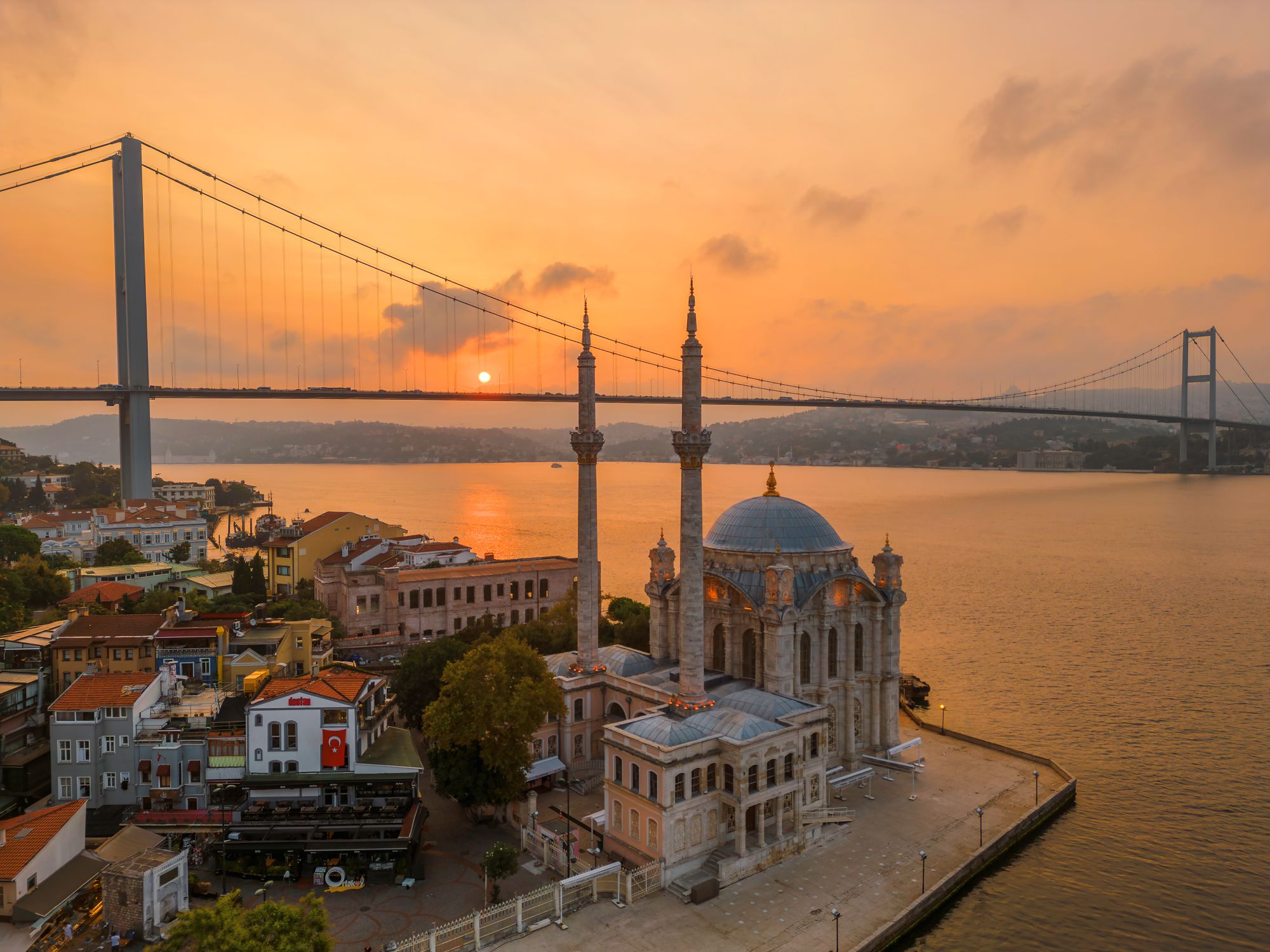
Istanbul is one of the world’s great historic cities, where the legacies of Byzantine emperors and Ottoman sultans unfold across a skyline of domes, minarets and waterfront palaces. From vast imperial mosques and hidden underground cisterns to bustling bazaars and grand palaces overlooking the Bosphorus, the city offers an extraordinary collection of landmarks that reveal its remarkable past.
Many of Istanbul’s most celebrated sights lie within the historic district of Sultanahmet, where magnificent monuments stand within easy walking distance of one another. Yet the city’s treasures extend far beyond its historic heart, from atmospheric markets and centuries-old fortresses to neighbourhood squares that have witnessed the rise and fall of empires.
The following guide highlights some of the most remarkable places to visit during your stay in Istanbul.
The Most Remarkable Sights in Istanbul
The Blue Mosque
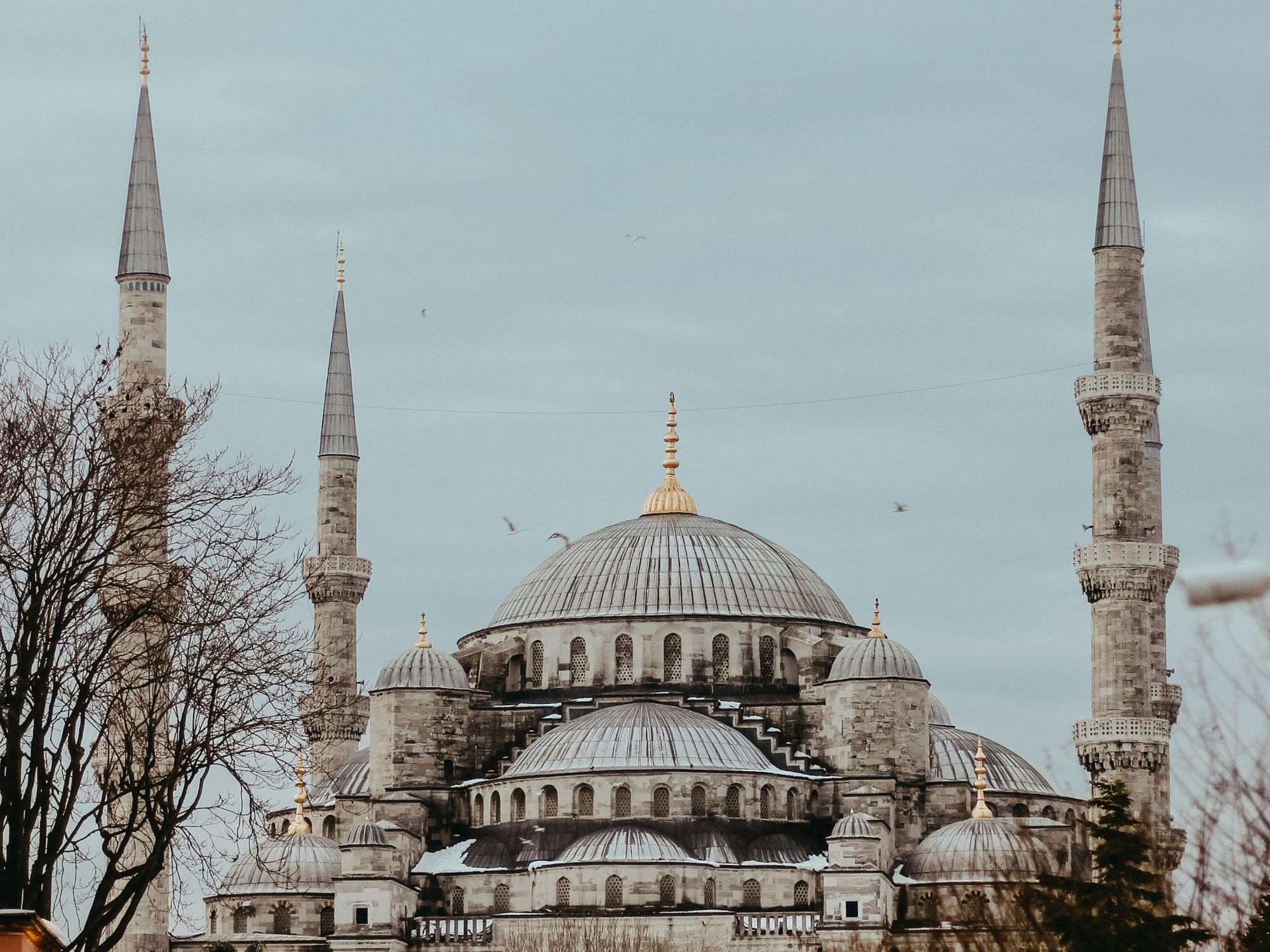
One of the most recognisable landmarks in the Islamic world, the Sultanahmet Mosque – better known as the Blue Mosque – dominates the skyline of historic Istanbul with its six elegant minarets and sweeping central dome.
Completed in 1616 during the reign of Sultan Ahmed I, the mosque takes its popular name from the more than 20,000 exquisite Iznik tiles that adorn its interior. These hand-painted tiles, in shades of blue, turquoise and white, create a remarkable atmosphere inside the vast prayer hall. Flooded with light from more than 260 windows, the interior is both majestic and serene.
Still an active place of worship today, the Blue Mosque remains one of the most beautiful examples of Ottoman architecture anywhere in the world.
Hagia Sophia
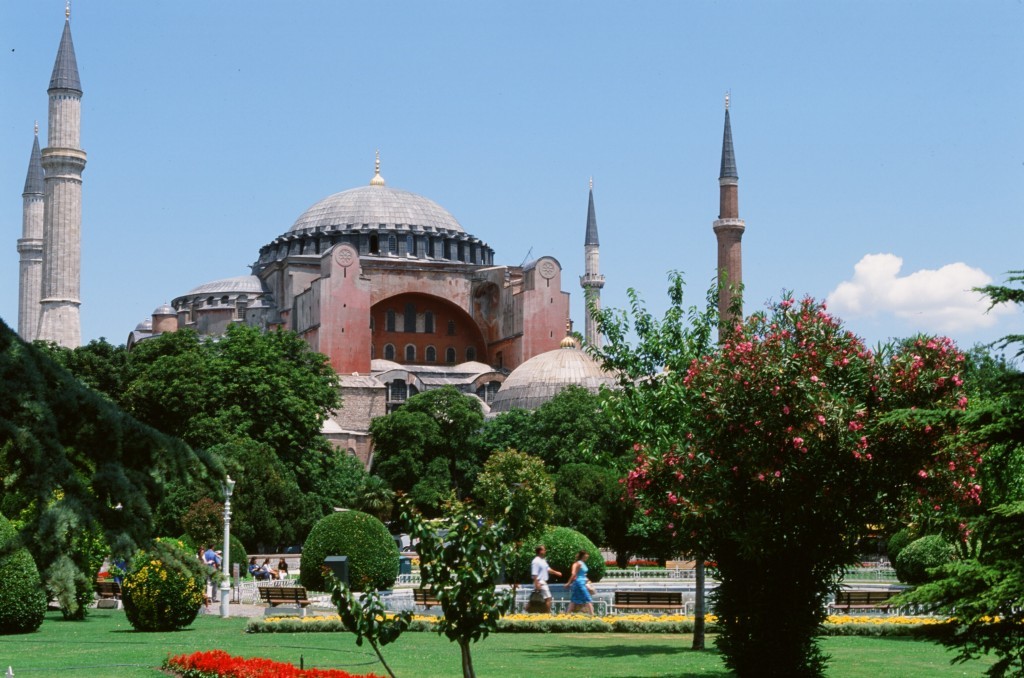
Few buildings in history have carried such significance as Hagia Sophia. Completed in 537 during the reign of the Byzantine Emperor Justinian, it remained the largest cathedral in the Christian world for nearly a thousand years.
Its immense dome – a remarkable engineering achievement for its time – appears almost to float above the vast interior space. The building is also home to some of the earliest surviving Byzantine mosaics, which continue to fascinate visitors today.
Following the Ottoman conquest of Constantinople in 1453, Hagia Sophia was converted into a mosque, a role it continues to fulfil today. Its layered history makes it one of the most compelling monuments anywhere in the world.
The Basilica Cistern
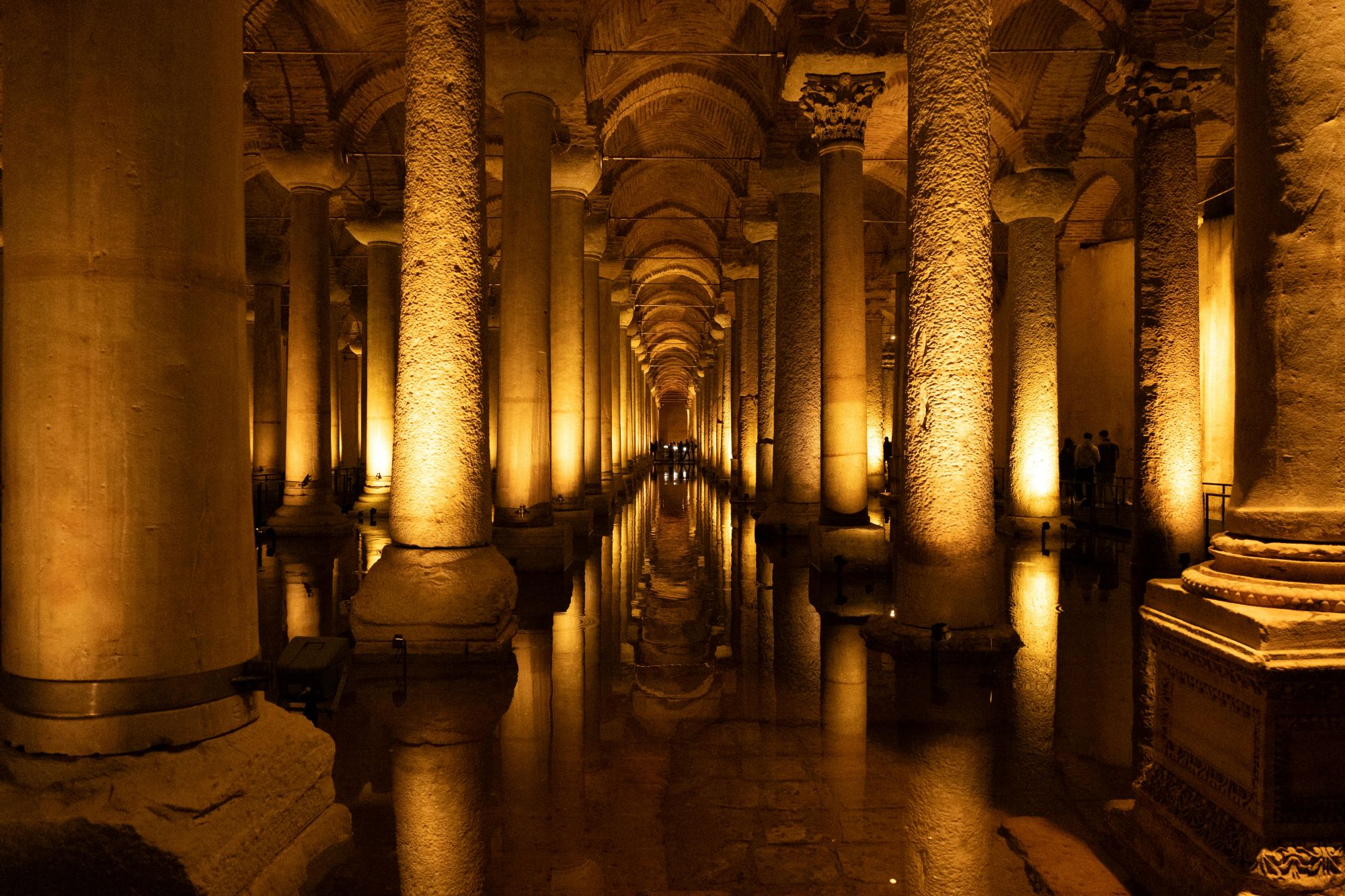
Hidden beneath the streets of Istanbul lies one of the city’s most atmospheric and unexpected sights. The Basilica Cistern is a vast underground reservoir built during the reign of Emperor Justinian in the sixth century.
Constructed to supply water to the Great Palace and surrounding buildings, the cistern is supported by more than 300 marble columns rising from still, shadowy waters. Dim lighting, reflections on the water and the haunting silence of the chamber create an unforgettable atmosphere.
Among its most intriguing features are the famous Medusa head carvings that serve as column bases deep within the cistern.
The Egyptian Bazaar (Spice Bazaar)
Hidden beneath the streets of Istanbul lies one of the city’s most atmospheric and unexpected sights. The Basilica Cistern is a vast underground reservoir built during the reign of Emperor Justinian in the sixth century.
Constructed to supply water to the Great Palace and surrounding buildings, the cistern is supported by more than 300 marble columns rising from still, shadowy waters. Dim lighting, reflections on the water and the haunting silence of the chamber create an unforgettable atmosphere.
Among its most intriguing features are the famous Medusa head carvings that serve as column bases deep within the cistern.
The Grand Bazaar
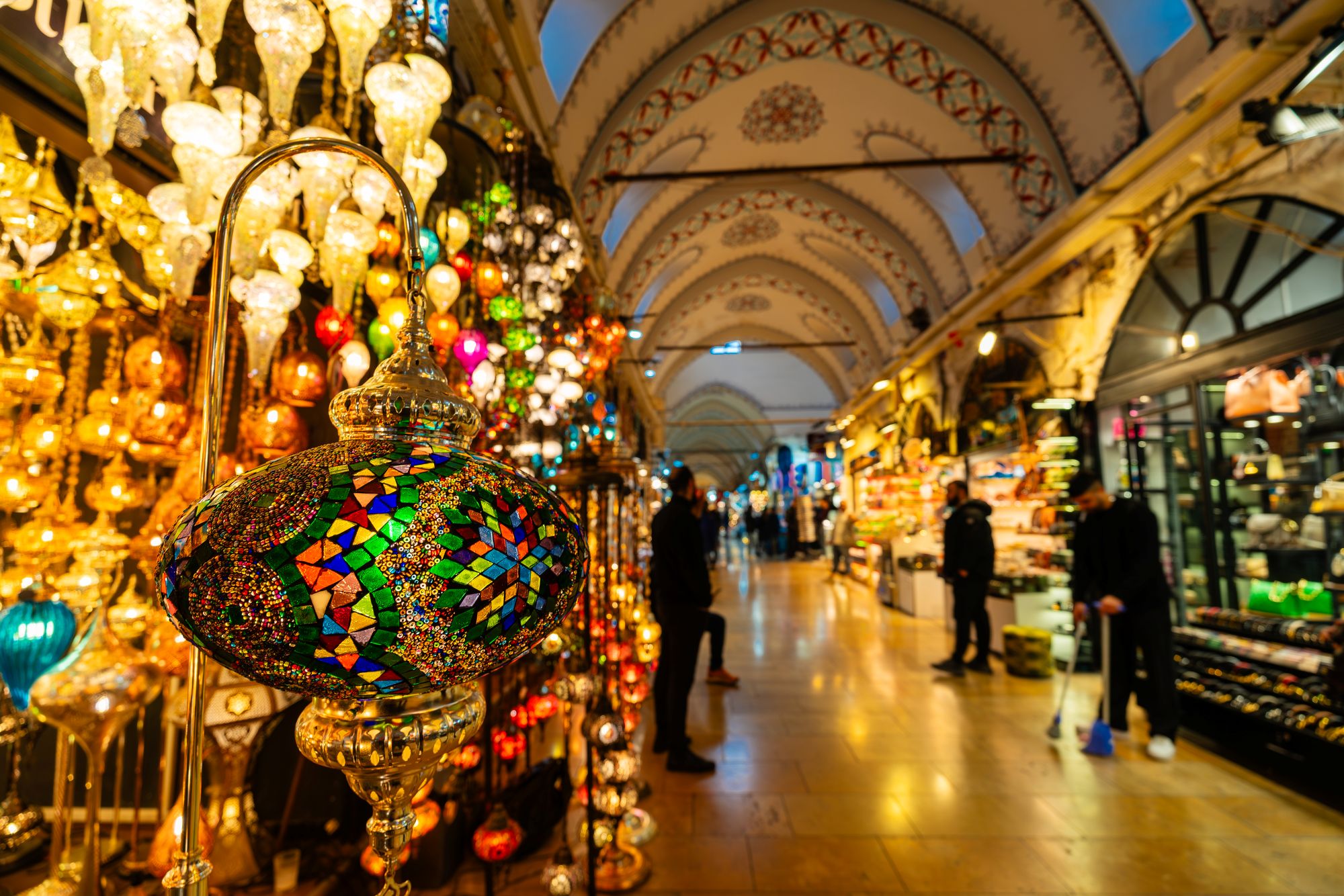
The Egyptian Bazaar – often known as the Spice Bazaar – is one of Istanbul’s most evocative markets. Built in 1660 as part of the Yeni Valide Mosque complex, it was originally funded through taxes collected on trade from Cairo, which explains its unusual name.
Today the bazaar remains a vibrant marketplace filled with stalls selling spices, dried fruits, nuts, teas and traditional Turkish sweets. As visitors wander through its vaulted passageways, the air is filled with the aromas of cinnamon, saffron, mint, thyme and countless other herbs.
It is one of the most atmospheric places in the city to experience Istanbul’s historic trading culture.
The Hippodrome
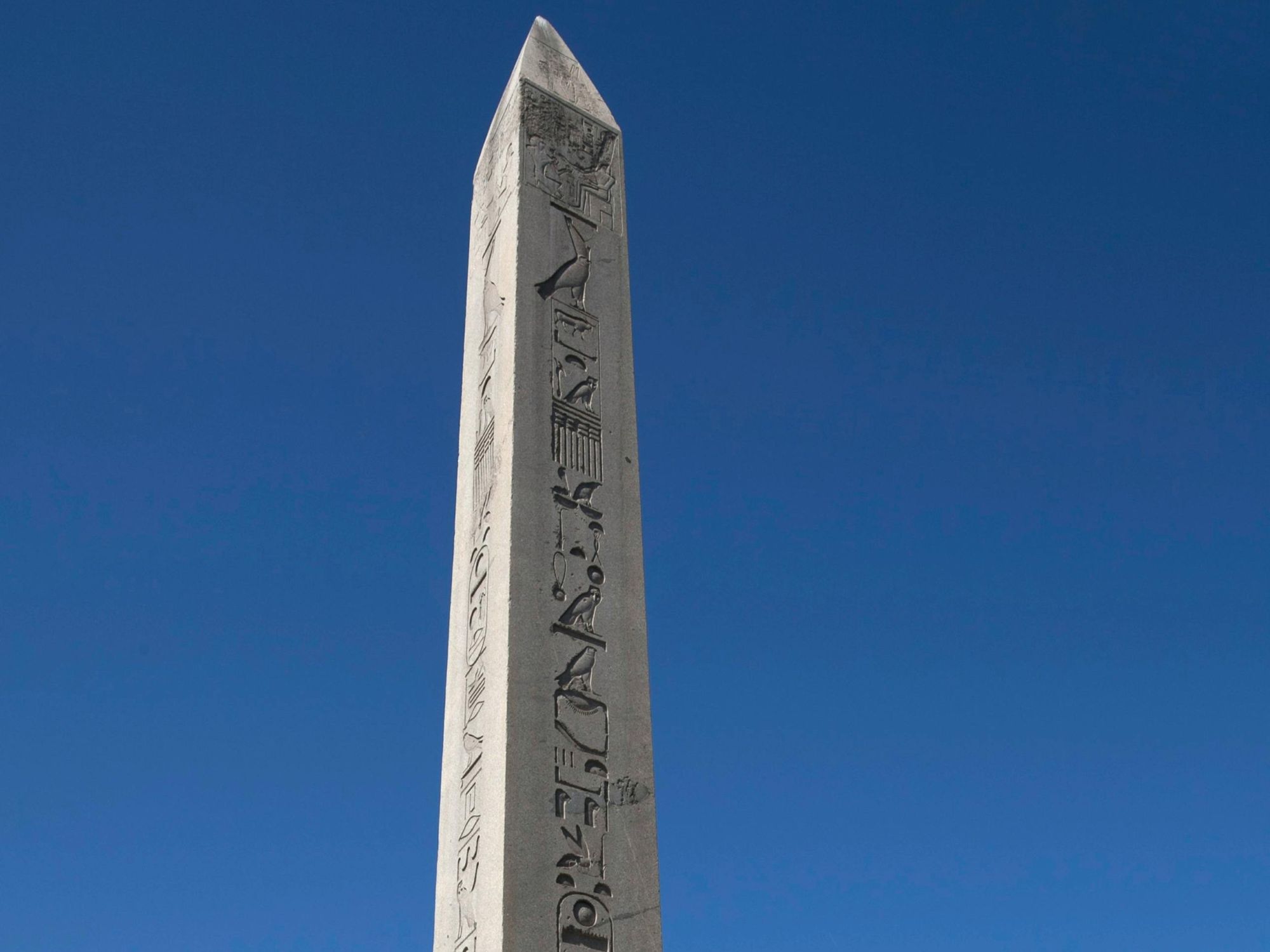
Once the social and political centre of Byzantine Constantinople, the Hippodrome was the setting for chariot races, imperial celebrations and public gatherings that drew tens of thousands of spectators.
Although little remains of the original stadium structure today, several remarkable monuments survive in the square. Among them are the Obelisk of Theodosius, the bronze Serpentine Column brought from Delphi, and the Column of Constantine.
Located directly beside the Blue Mosque, the Hippodrome remains an important part of Istanbul’s historic landscape.
Topkapi Palace
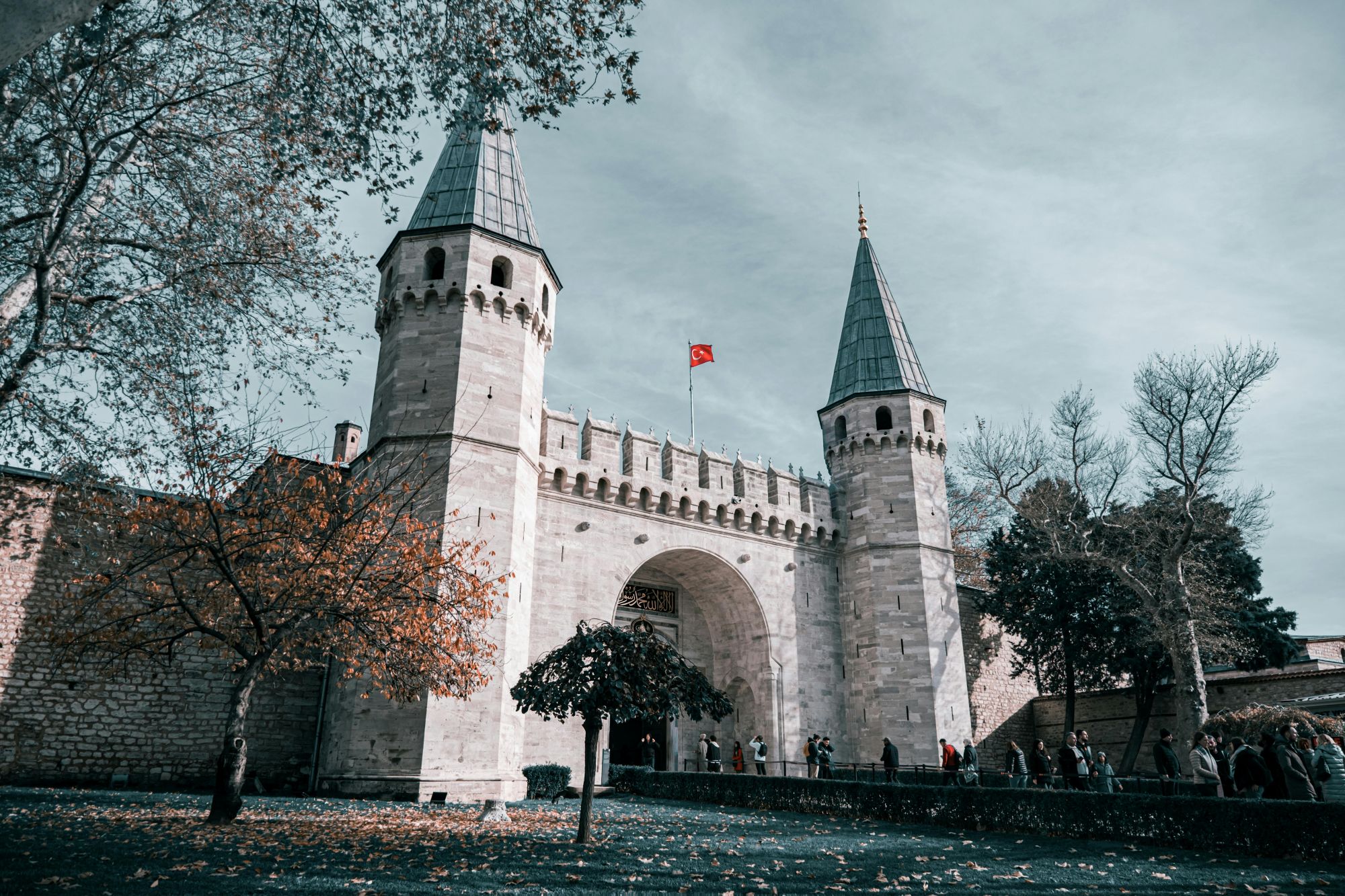
For more than three centuries Topkapi Palace served as the residence of the Ottoman sultans and the administrative heart of their vast empire.
Situated at the tip of the historic peninsula overlooking the Bosphorus and the Golden Horn, the palace complex is a sprawling collection of courtyards, pavilions and richly decorated chambers. Visitors can explore the imperial treasury, the ornate council chambers and the famous harem, where members of the royal household once lived.
Beyond its architectural beauty, Topkapi Palace offers some of the most spectacular views across the Bosphorus.
Rumeli Hisari Fortress
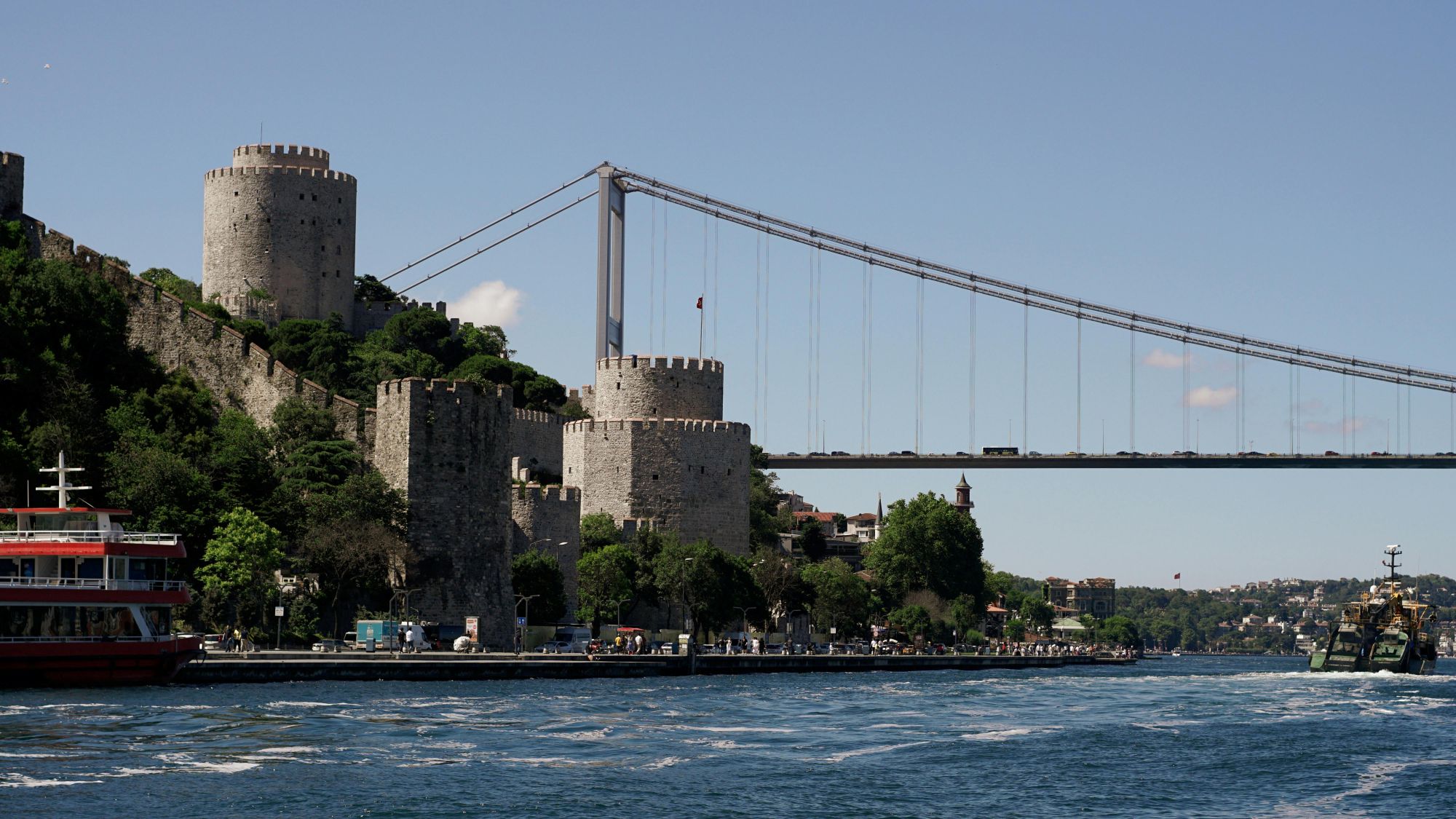
Standing dramatically on the European shore of the Bosphorus, Rumeli Hisar Fortress was constructed in 1452 by Sultan Mehmed II as part of his preparations for the conquest of Constantinople.
Built in just a few months, the fortress controlled the narrowest point of the Bosphorus and helped cut off support from the Black Sea during the siege. Its massive stone towers and thick defensive walls remain remarkably well preserved.
Today the fortress offers sweeping views across the Bosphorus and stands as a powerful reminder of one of the most pivotal moments in the city’s history.
Continue Exploring Istanbul
These remarkable landmarks represent only part of what makes Istanbul such a fascinating city to explore. From atmospheric neighbourhoods and traditional markets to memorable restaurants and cultural experiences, every district reveals another layer of the city’s rich story.
For a broader overview of the city, explore our Istanbul travel guide, where you’ll find further inspiration on where to eat, what to see and how to experience Istanbul at its very best.