Exploring Istanbul: From The Bosphorus To The Princes' Islands
Istanbul is not a city that reveals itself all at once. Its great monuments may draw first-time visitors initially, but the real fascination often lies elsewhere — in ferry crossings between continents, conversations drifting from waterfront tea houses, fishermen lining the Galata Bridge at sunset and neighbourhoods that feel entirely different from one another despite existing within the same sprawling city.
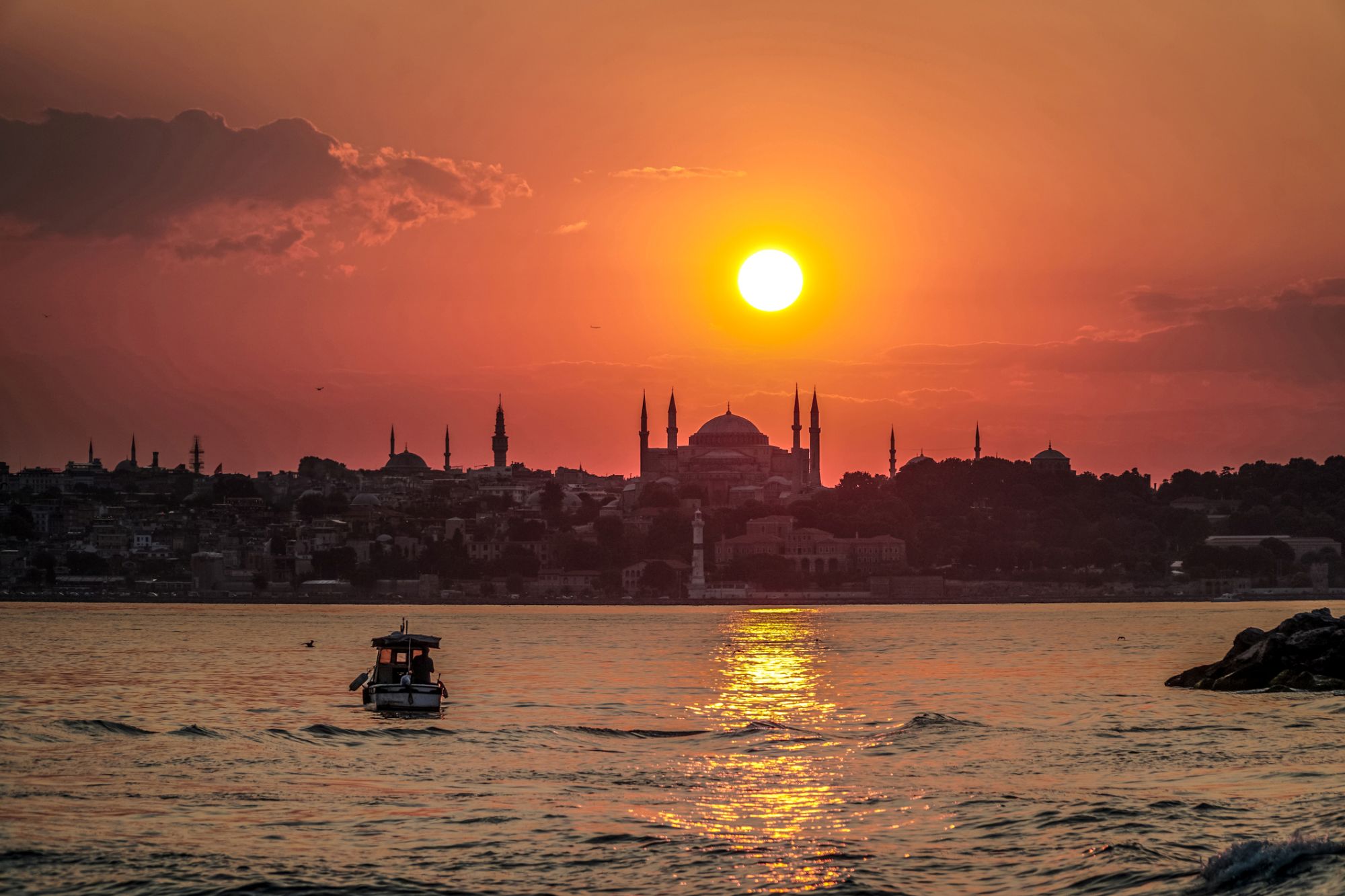
This is a city shaped as much by water as by empire. Byzantine churches, Ottoman mosques, lively fish markets, contemporary galleries and old wooden waterfront mansions sit side by side in ways that somehow feel entirely natural. One moment you are standing beneath the vast domes of Hagia Sophia; the next, wandering through quieter residential streets where life unfolds at a gentler, distinctly local pace.
To experience Istanbul properly is to move gradually through its different districts, shorelines and islands — each revealing another layer of the city.
Our broader Istanbul travel guide explores the city in greater depth, from historic landmarks and cultural highlights to neighbourhoods, dining and life along the Bosphorus
The Old City & Sultanahmet
For many visitors, Istanbul begins in Sultanahmet — the historic heart of the old city and the former seat of Byzantine and Ottoman power. This UNESCO-listed district contains many of the city’s most celebrated landmarks, most of which can be explored easily on foot.
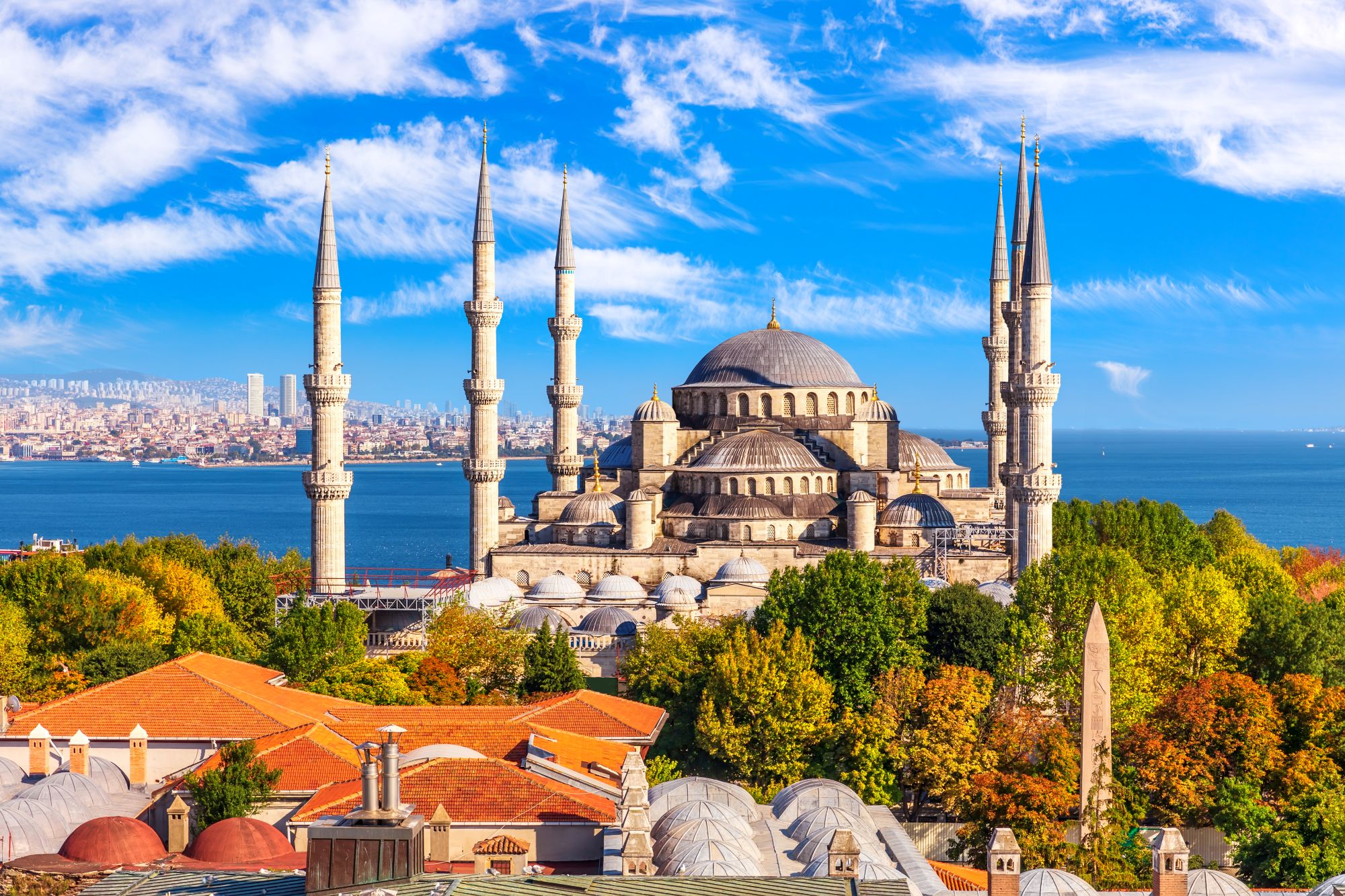
Hagia Sophia remains one of the world’s great architectural achievements, while the elegant domes and six minarets of the Blue Mosque continue to dominate the skyline centuries after their construction. Nearby, Topkapi Palace offers insight into the extraordinary scale and complexity of Ottoman court life, while the Basilica Cistern reveals an altogether darker and more atmospheric side of the city beneath ground level.
Many of Istanbul’s most important landmarks can be explored within this area alone, from imperial mosques and palaces to Byzantine monuments and hidden cisterns. Our guide to what to see in Istanbul explores these in greater detail
Around them, daily life continues much as it always has. Café terraces spill into old squares, market traders call from narrow alleyways and the scent of Turkish coffee drifts through streets shaped by centuries of trade and empire.
The old city can feel intense at times, but that energy is part of its appeal.
Walking Through Istanbul
Istanbul rewards those willing to explore on foot. Some of the city’s most memorable moments are found not inside museums or palaces, but in the quieter transitions between neighbourhoods — steep cobbled streets, hidden courtyards, ferry terminals and waterfront promenades where the rhythm of daily life plays out beside the Bosphorus.
One particularly rewarding walk follows the European shoreline from Arnavutkoy towards Rumeli Hisari. Fishermen cast lines beside elegant wooden mansions, small boats drift against the quayside and seafood restaurants spread quietly along the water’s edge. It is a calmer, more residential side of Istanbul that many visitors never properly encounter.
Elsewhere, the old city walls, Galata Bridge and winding hills around Karakoy and Beyoglu reveal an entirely different atmosphere again — lively, layered and constantly moving between old and new.
The Bosphorus
Life in Istanbul is shaped by the Bosphorus. Ferries cross constantly between Europe and Asia, commuters move between shorelines throughout the day and waterfront neighbourhoods unfold along the water in a rhythm entirely their own.
The shoreline reveals some of the city’s most striking contrasts. Ottoman yalıs stand beside contemporary cafés and seafood restaurants, while fashionable neighbourhoods spill gradually towards the water’s edge beneath the suspension bridges linking two continents.
Exploring by water remains one of the most rewarding ways to experience the city — whether aboard a public ferry weaving between districts or a private boat drifting north towards the quieter villages lining the upper Bosphorus.
Away from the intensity of Sultanahmet, the Bosphorus often feels softer, more residential and more contemporary. Tea gardens fill late into the evening, fishermen gather beneath the bridges and the changing light across the water becomes part of daily life itself.
Ortakoy
Few districts capture modern Bosphorus life quite like Ortakoy.
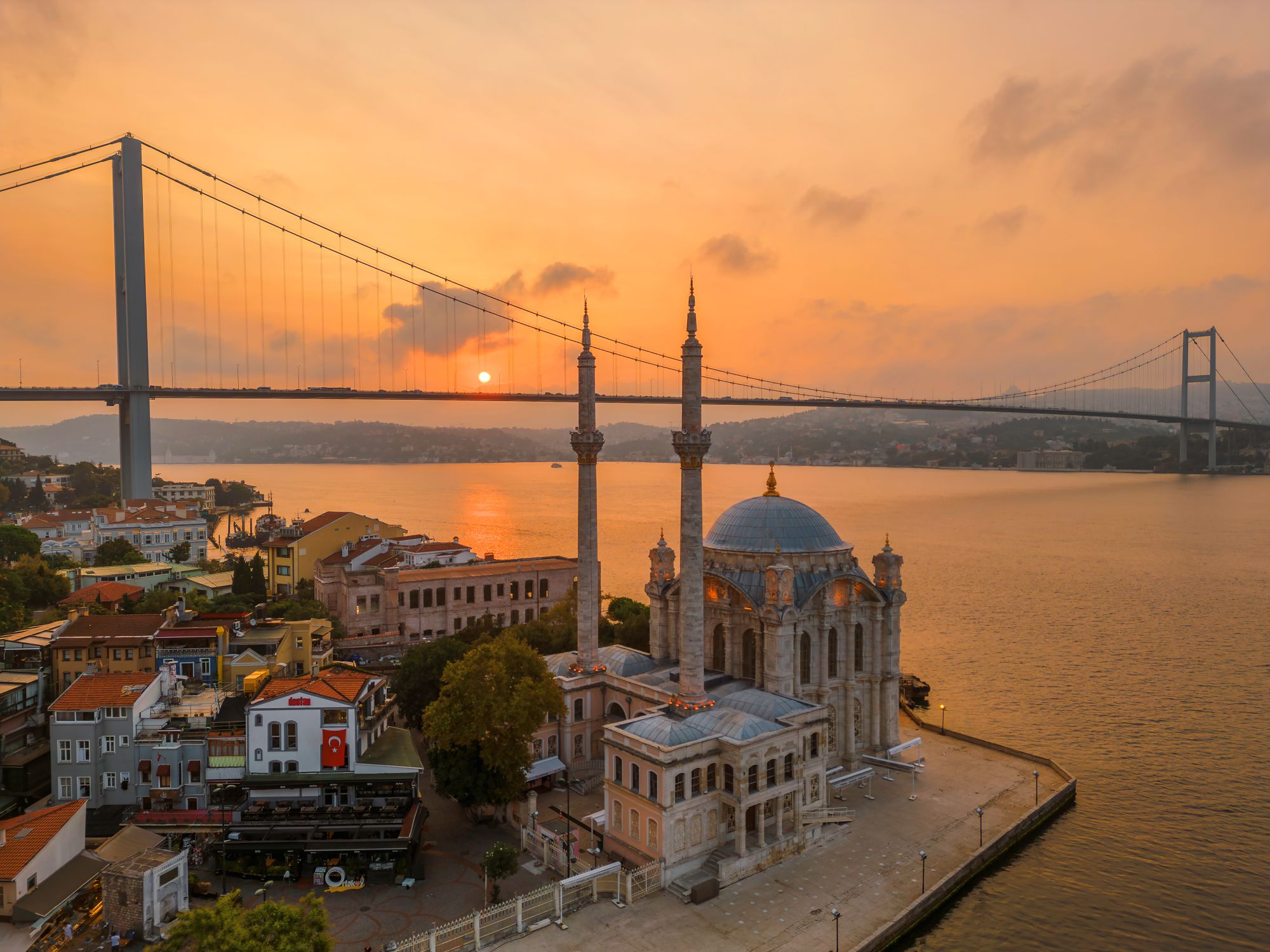
Once a small fishing village, it has evolved into one of Istanbul’s liveliest waterfront neighbourhoods, where cafés, tea houses, bars and restaurants gather beneath the Bosphorus Bridge. The Ortakoy Mosque, positioned dramatically beside the water itself, remains one of the city’s most recognisable landmarks.
There is a sociable energy here that feels distinct from the historic peninsula. Locals linger over tea beside the waterfront, ferries pass continuously across the strait and market stalls fill the square throughout the day. Yet despite its popularity, Ortakoy still retains traces of its older identity — anglers line the shoreline and quieter residential streets climb the hills behind the waterfront.
For many travellers, this side of Istanbul feels immediately immersive — contemporary and cosmopolitan, yet still deeply connected to the Bosphorus itself.
The Golden Horn & Galata
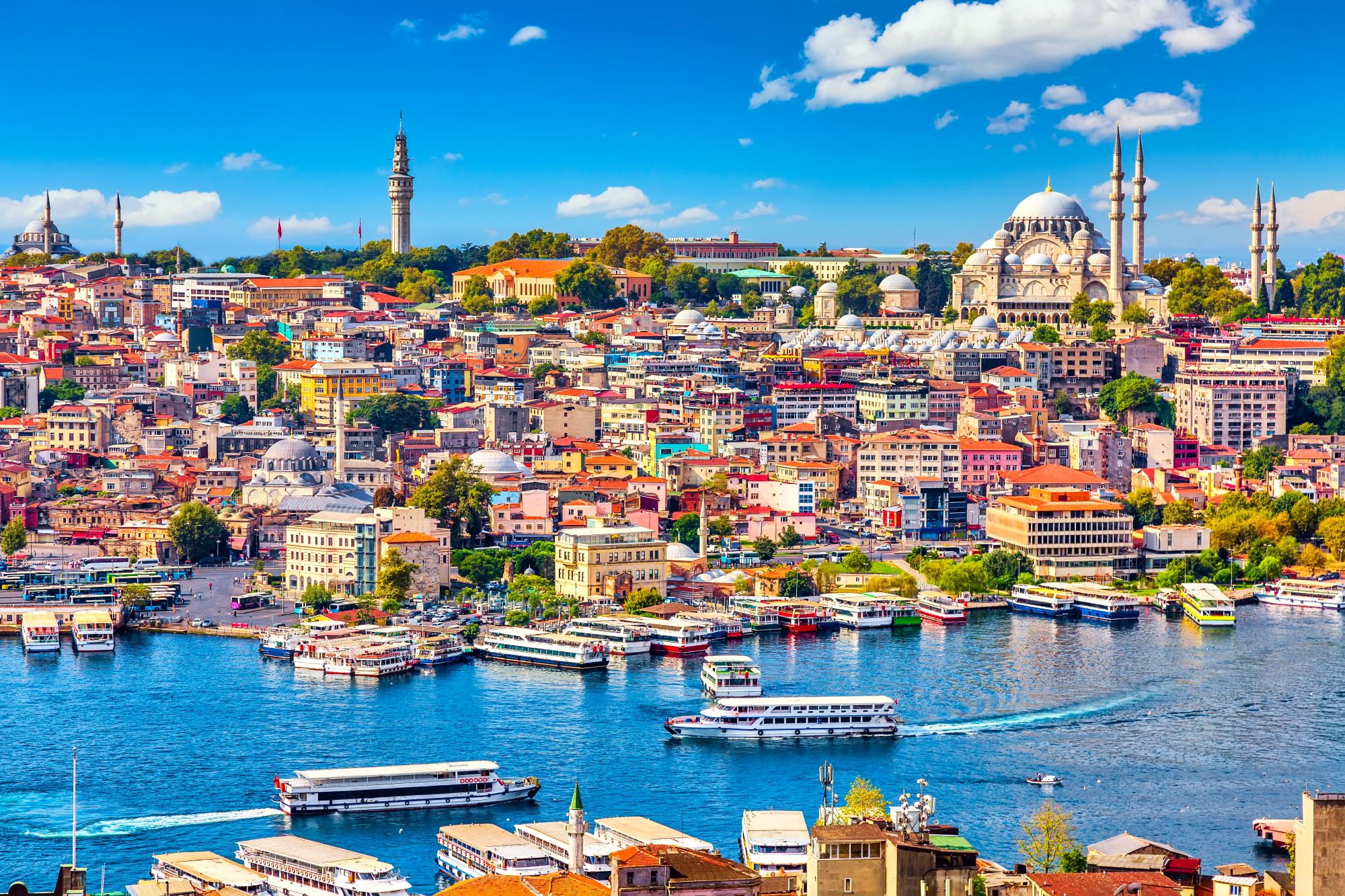
The Golden Horn shaped Istanbul’s maritime importance for centuries and remains one of the city’s most historically layered areas.
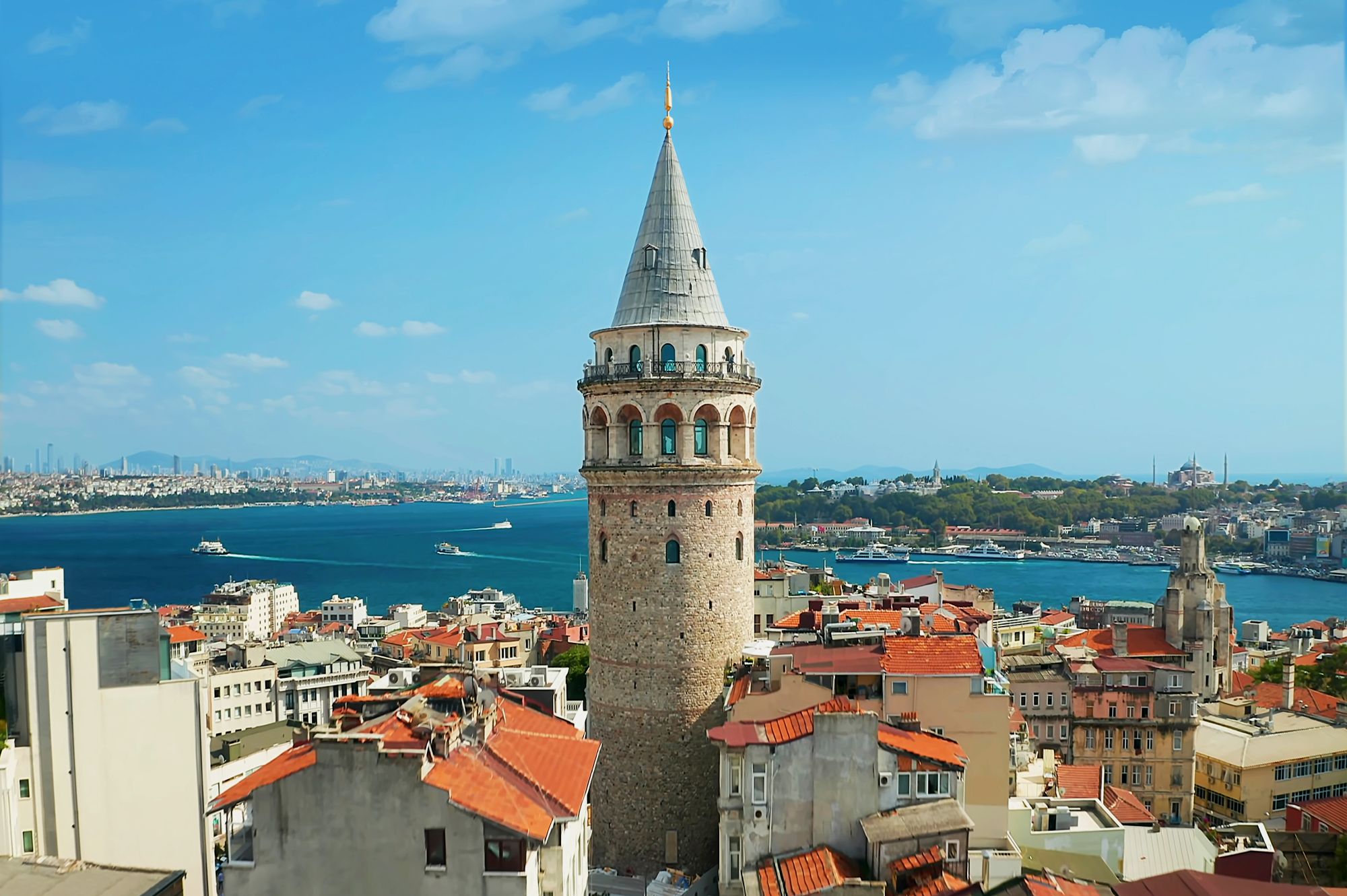
Crossing the Galata Bridge reveals another side of Istanbul once again. Above the shoreline rise steep cobbled streets leading towards Galata Tower, where old apartment buildings, independent galleries, cafés and rooftop bars now occupy neighbourhoods once central to Ottoman trade and diplomacy.
The surrounding streets still contain traces of Byzantine and Ottoman Istanbul — churches, synagogues and old wooden houses hidden among the hills. The Galata Mevlevihanesi, a former Sufi lodge now transformed into a museum, offers insight into the traditions of the whirling dervishes who still perform here on certain Sundays.
From the upper streets around Galata, the views across the Bosphorus and historic peninsula are among the finest anywhere in the city.
Beyoglu & Taksim
Beyoglu reveals Istanbul at its most energetic and outward-looking. Centred around Istiklal Caddesi — one of the city’s great pedestrian avenues — the district blends European architectural influence with modern Turkish culture, nightlife and contemporary city life.
Elegant nineteenth-century buildings line streets filled with bookshops, cafés, galleries, cinemas and bars. The nostalgic red tram continues to shuttle slowly through the crowds towards Taksim Square, the commercial heart of modern Istanbul.
Hidden within the surrounding streets are some of the city’s most interesting discoveries — traditional meyhanes, old churches, bustling fish markets and rooftop terraces overlooking the Golden Horn.
The atmosphere here feels very different to Sultanahmet: younger, faster-moving and distinctly contemporary, yet still deeply shaped by the city’s layered history.
Shopping In Istanbul
Shopping in Istanbul ranges from centuries-old bazaars to elegant modern fashion districts.
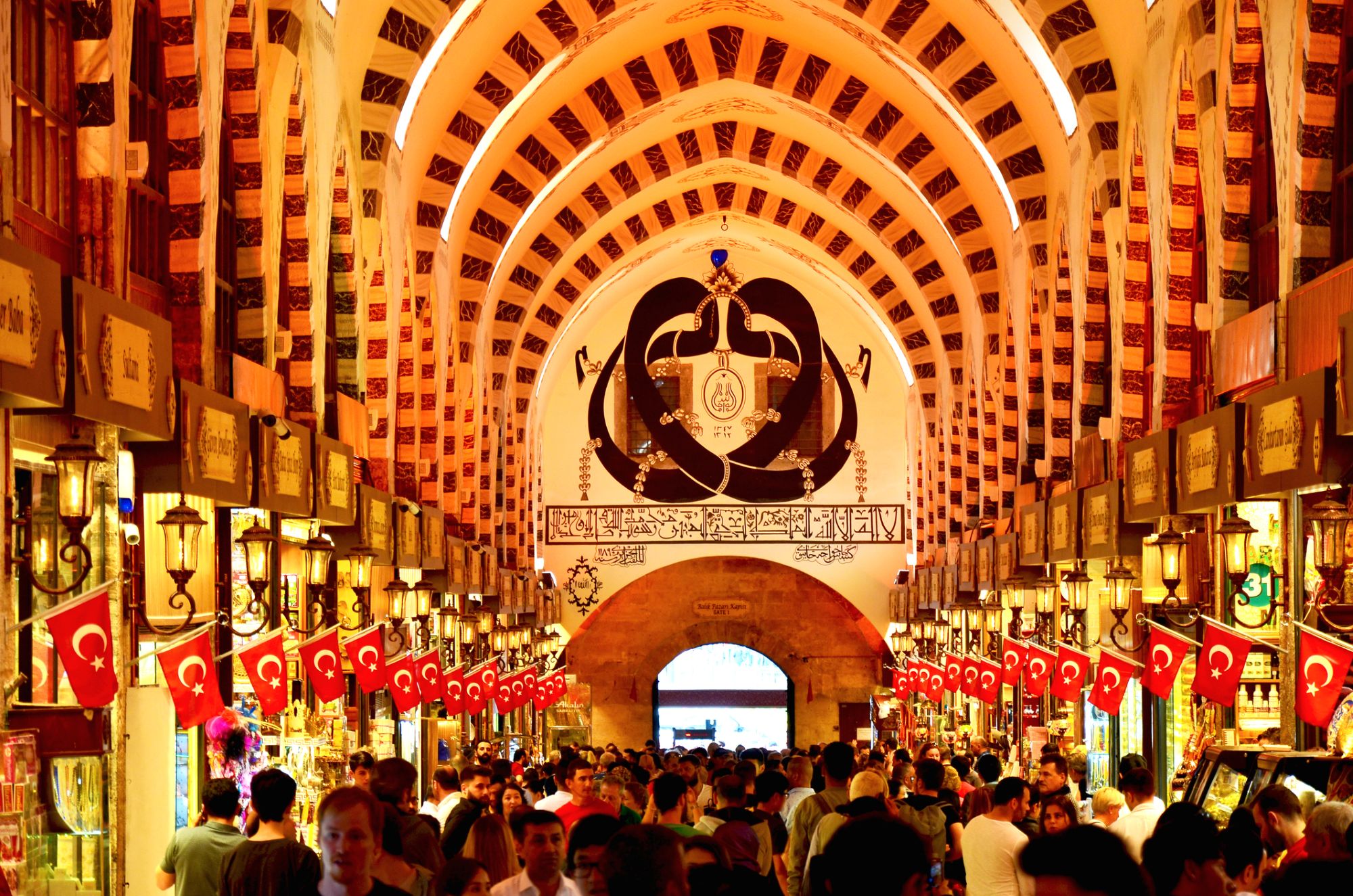
The Grand Bazaar and Egyptian Spice Bazaar remain among the city’s most atmospheric experiences, filled with textiles, ceramics, leather goods, spices and antiques hidden within labyrinthine passageways that seem to unfold endlessly from one another.
Elsewhere, districts such as Nisantasi and Tesvikiye offer a far more contemporary side of Istanbul, where international fashion houses, designer boutiques and stylish cafés line wide avenues shaded by trees.
Yet some of Istanbul’s best shopping experiences are often the least expected — independent bookstores, old sweet shops, jewellers or small neighbourhood markets discovered while wandering between districts.
Dining, Culture & Contemporary Istanbul
Istanbul possesses one of Europe’s most compelling food scenes. Traditional Ottoman cooking sits beside contemporary Turkish restaurants, while street vendors continue to serve some of the city’s most memorable meals — from simit and balik ekmek to stuffed mussels and charcoal-grilled kebabs.
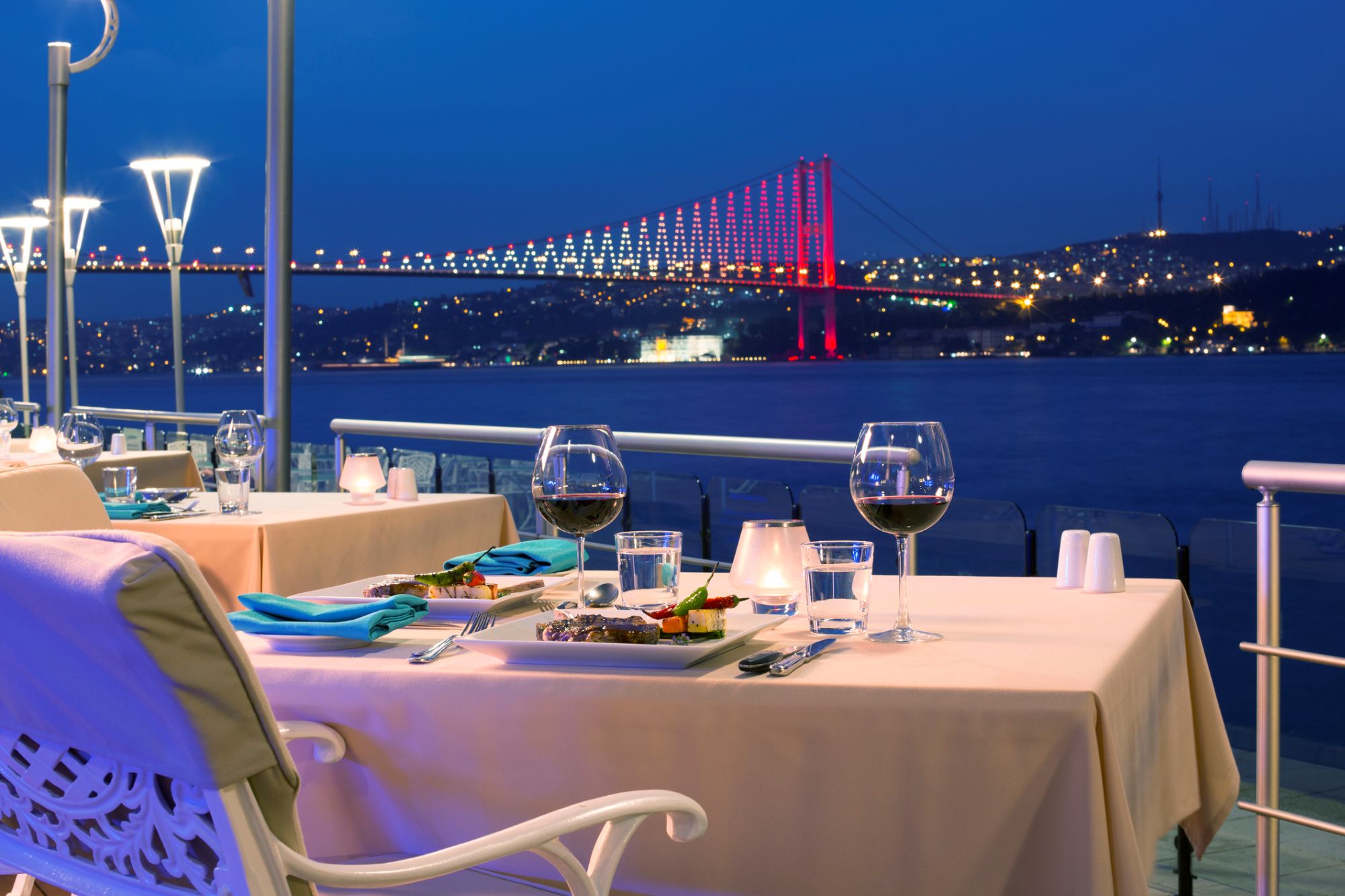
From street food stalls and traditional meyhanes to contemporary Turkish restaurants beside the Bosphorus, the city rewards curious eaters enormously. Explore our guide to what to eat in Istanbul for some of the city’s essential dishes and dining experiences.
Neighbourhoods such as Karakoy, Galata and Beyoglu have developed into centres of the city’s increasingly creative cultural scene, filled with galleries, contemporary restaurants, cocktail bars and independent boutiques.
Culturally, the city offers remarkable range. The Museum of Turkish and Islamic Arts provides insight into centuries of craftsmanship and imperial history, while Istanbul Modern reflects the city’s evolving contemporary arts scene from its striking waterfront setting.
What makes Istanbul particularly fascinating, however, is the ease with which all of these worlds overlap — ancient and contemporary, traditional and cosmopolitan, European and Asian.
The Princes’ Islands
Yet one of Istanbul’s most unexpected pleasures lies beyond the city centre altogether.
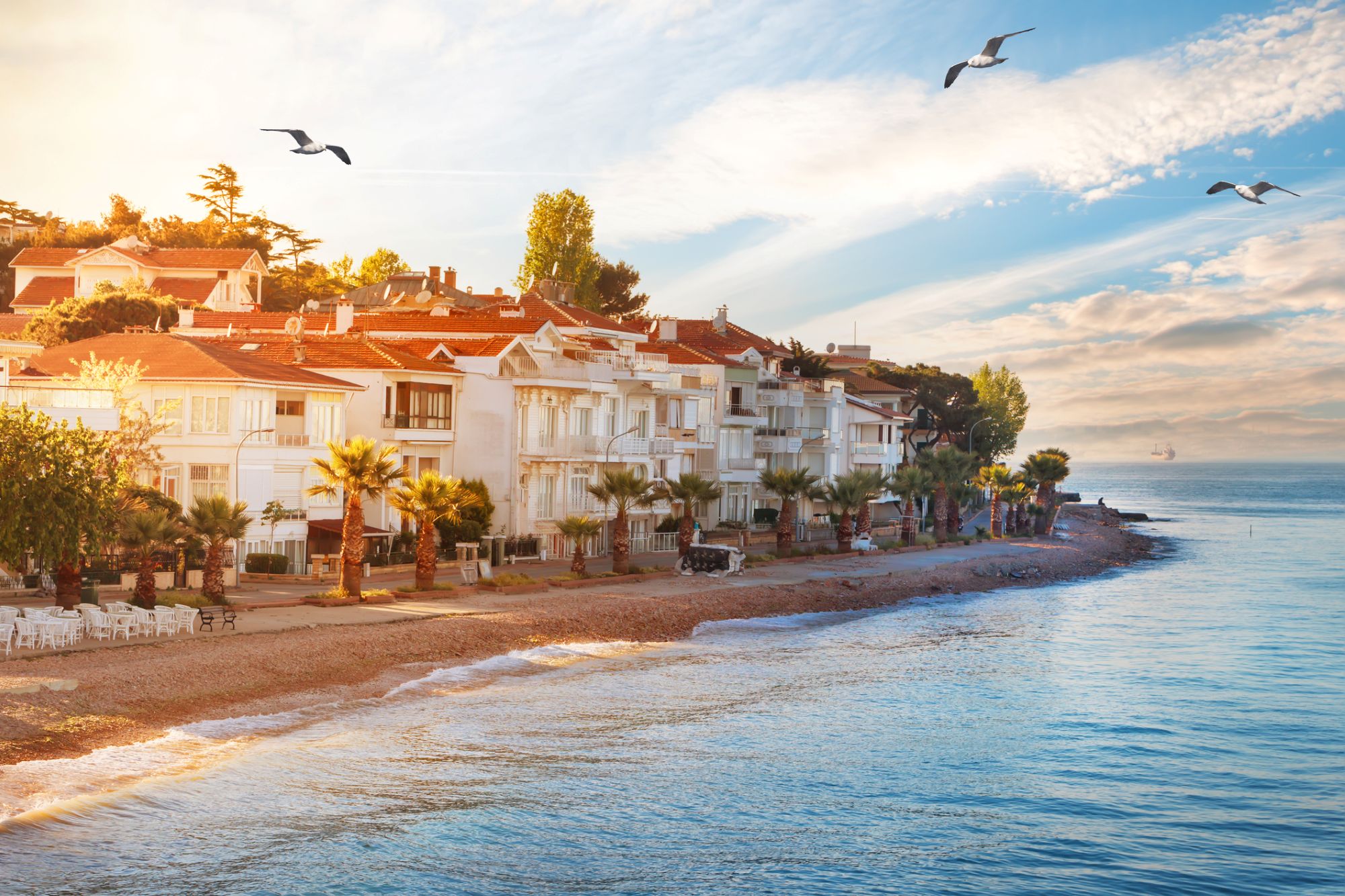
Reached by ferry across the Sea of Marmara, the Princes’ Islands offer an altogether quieter rhythm — pine groves, old Ottoman summer houses, peaceful waterfront promenades and streets largely free from traffic.
Buyukada, the largest island, remains the liveliest, with elegant wooden mansions, seafood restaurants and the historic St George Monastery rising above the shoreline. Heybeliada is particularly popular for walking and cycling, while Burgazada retains a quieter literary atmosphere associated with Turkish writer Sait Faik Abasiyanik.
For many visitors, the islands provide a surprisingly restorative contrast to the intensity of central Istanbul — greener, slower and shaped almost entirely by the sea.
Planning Your Istanbul Journey
Istanbul rewards time and curiosity. While many visitors arrive focused on the city’s great monuments, it is often the quieter experiences that remain longest in the memory — ferry journeys across the Bosphorus, evenings beside the waterfront in Ortakoy or slow afternoons wandering through neighbourhoods beyond the main tourist routes.
For many travellers, Istanbul works beautifully as the beginning or conclusion to a wider journey through Turkey, pairing naturally with Cappadocia, the Turquoise Coast or longer explorations of the country’s cultural landscapes.
Whether discovering the old city at sunrise, crossing between continents by ferry or escaping to the Princes’ Islands for the afternoon, Istanbul rarely feels static. It is a city constantly shifting between worlds — and endlessly rewarding because of it.