
The History of Istanbul: Empires, Constantinople & the City Between East and West
Few cities in the world possess a history as layered, influential and enduring as Istanbul. Rising across seven hills beside the Bosphorus, this extraordinary city has served as the capital of three great empires, shaped the course of both European and Middle Eastern history, and stood for centuries at the crossroads of global trade between East and West.
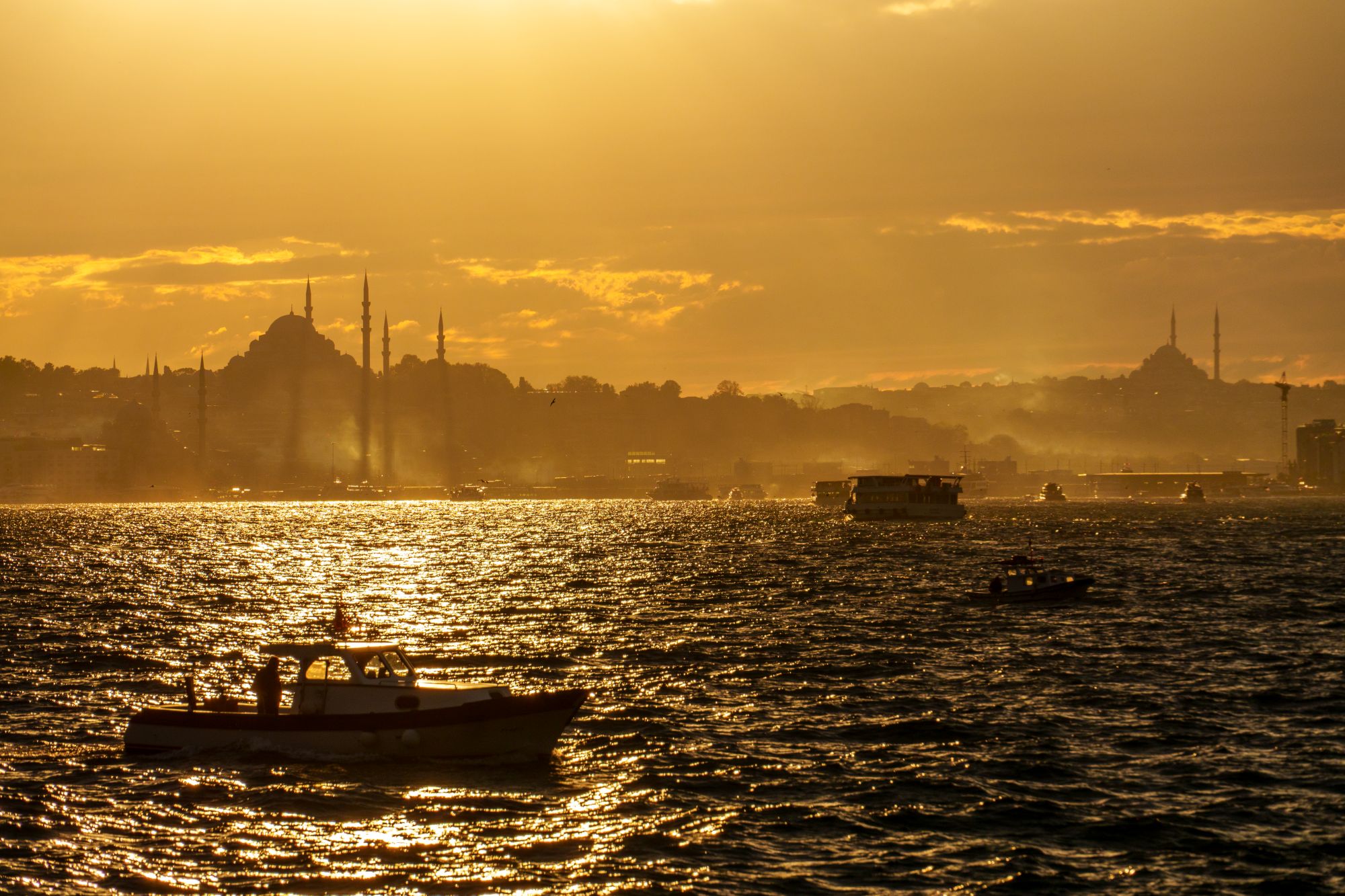
Today, Istanbul remains one of the most fascinating cities anywhere in the world — a place where Byzantine churches, Ottoman mosques, grand palaces, bustling bazaars and modern café culture exist side by side. To understand Istanbul is to understand how centuries of empire, religion, commerce and migration have shaped the city’s unique character.
For travellers exploring Turkey, Istanbul offers far more than monuments alone. Its layered history continues to define the atmosphere of the city today — from the skyline of domes and minarets to the aromas drifting through centuries-old spice markets along the Golden Horn.
Byzantium: The Greek Origins of Istanbul
The history of Istanbul began long before the Ottoman Empire. The city’s earliest known settlers arrived from Greece during the 7th century BC, establishing a colony known as Byzantium on the European shore of the Bosphorus.
Its position was extraordinarily strategic. Situated between the Black Sea and the Mediterranean, Byzantium quickly developed into a thriving trading settlement controlling important maritime routes between Europe and Asia. Merchants, sailors and travellers passed constantly through its harbours, helping the settlement prosper long before the rise of the Roman Empire.
Even in these earliest centuries, the foundations of Istanbul’s future importance had already been established — a city shaped by commerce, movement and cultural exchange.
Constantinople & the Roman Empire
In the fourth century AD, Roman Emperor Constantine recognised the city’s immense strategic value and selected Byzantium as the new capital of the Eastern Roman Empire. The city was dramatically expanded and renamed Constantinople.
Like Rome itself, Constantinople was built across seven hills and protected by formidable defensive walls. Under Constantine and the emperors who followed, vast forums, churches, palaces, aqueducts and public squares transformed the city into one of the greatest capitals of the ancient world.
By the sixth century, during the reign of Emperor Justinian, Constantinople had entered a remarkable golden age. The population is believed to have reached more than half a million people, making it one of the largest and wealthiest cities anywhere in Europe.
Many of Istanbul’s most famous historic monuments trace their origins to this Byzantine era, including the extraordinary Hagia Sophia and the atmospheric Basilica Cistern hidden beneath the streets of Sultanahmet.
The Byzantine Golden Age
For centuries, Constantinople stood at the heart of the Byzantine Empire — preserving classical knowledge, Christian theology and immense artistic wealth during periods when much of Europe faced instability.
The city became renowned for its magnificent churches, glittering mosaics and thriving intellectual life. Traders brought silk, spices and precious goods from Asia into the city’s bustling markets, while the sheltered waters of the Golden Horn created one of the finest natural harbours in the world.
This prosperity helped establish Constantinople as one of history’s great imperial capitals. Even today, traces of Byzantine Istanbul remain woven into the fabric of the modern city, from ancient columns and underground reservoirs to fragments of once-mighty defensive walls.
The Ottoman Conquest of Constantinople
One of the most significant turning points in Istanbul’s history came in 1453, when Sultan Mehmed II conquered Constantinople and brought an end to the Byzantine Empire.
The city was transformed into the capital of the Ottoman Empire and entered a new era of prosperity and expansion. Mosques, markets, baths, schools and palaces rose across the city, gradually reshaping the skyline that visitors still recognise today.
Yet Istanbul’s importance as a centre of trade and cultural exchange remained unchanged. Positioned along the historic Silk Road routes, the city flourished as merchants arrived from across Europe, Asia and the Middle East bringing textiles, spices, ceramics and precious goods.
Under Ottoman rule, Istanbul also became remarkably cosmopolitan. Greeks, Armenians, Jews and many other communities lived and traded within the city, contributing to its rich cultural and architectural identity.
Suleyman the Magnificent & Ottoman Istanbul
The Ottoman Empire reached the height of its power during the reign of Suleyman the Magnificent between 1520 and 1566. Under his rule, Istanbul was transformed architecturally by the celebrated imperial architect Mimar Sinan, whose elegant mosques and public buildings reshaped the city forever.
The soaring domes and slender minarets that define Istanbul’s skyline today largely date from this extraordinary period of construction and imperial wealth.
Grand imperial complexes such as the Suleymaniye Mosque combined places of worship with schools, kitchens, hospitals and public courtyards, reflecting the scale and sophistication of Ottoman civilisation at its height.
Topkapi Palace meanwhile served as the political and ceremonial heart of the empire for centuries, overlooking the Bosphorus and the meeting point of Europe and Asia.
European Influence & the Final Ottoman Years
By the eighteenth and nineteenth centuries, the Ottoman Empire increasingly looked towards Europe for architectural and cultural inspiration.
This period introduced elegant waterfront palaces, European-style boulevards and ornate new buildings that reflected changing tastes within the empire. Among the most striking examples is Dolmabahce Palace, whose lavish interiors reveal the growing influence of European design on Ottoman high society.
At the same time, Istanbul remained a city of remarkable contrast — where traditional markets, mosques and wooden Ottoman houses continued to exist beside grand embassies, theatres and modern commercial districts.
Ataturk & Modern Istanbul
Following the collapse of the Ottoman Empire after the First World War, Mustafa Kemal Ataturk led Turkey’s War of Independence and established the modern Republic of Turkey in 1923.
The political capital moved to Ankara, yet Istanbul remained the country’s cultural, commercial and economic heart. Over the following decades, rapid industrialisation and migration transformed the city into the vast modern metropolis seen today.
Despite this modern expansion, Istanbul has retained its unique ability to balance past and present. Ancient monuments continue to stand beside lively neighbourhood cafés, rooftop restaurants and bustling ferry terminals along the Bosphorus.
Why Istanbul Still Feels Unlike Anywhere Else
What makes Istanbul so compelling today is not simply the scale of its history, but the way that history continues to shape daily life throughout the city.
The call to prayer echoes across Byzantine streets. Ferries cross between continents as they have for centuries. Spice markets still perfume the air beside Ottoman mosques, while contemporary galleries, cafés and rooftop restaurants bring new energy to historic neighbourhoods.
Few cities combine so many layers of civilisation so seamlessly. Istanbul remains both unmistakably European and deeply Eastern — ancient yet constantly evolving.
For travellers, this extraordinary cultural richness is what makes the city endlessly rewarding to explore.
Exploring Istanbul with Discerning Collection
Many of our guests begin or conclude their tailor-made Turkey holiday in Istanbul, combining the city with Cappadocia, the Turquoise Coast or wider journeys across the country.
Our team can help arrange carefully selected hotels, private guiding and seamless itineraries designed to reveal both the historic and contemporary sides of this remarkable city.
To continue exploring, discover our guides to: