Best Time to Visit Cappadocia: A Month-by-Month Guide
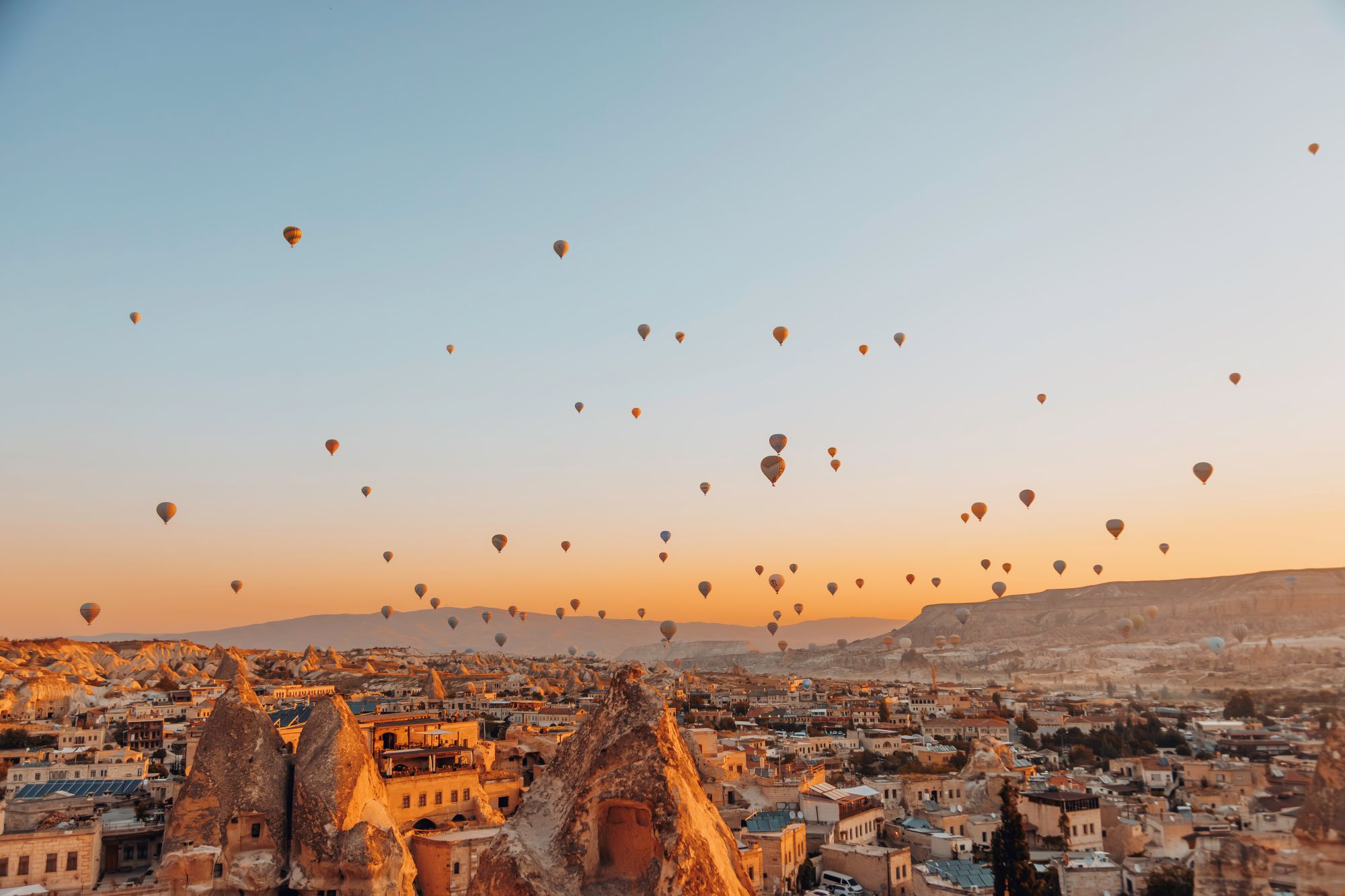
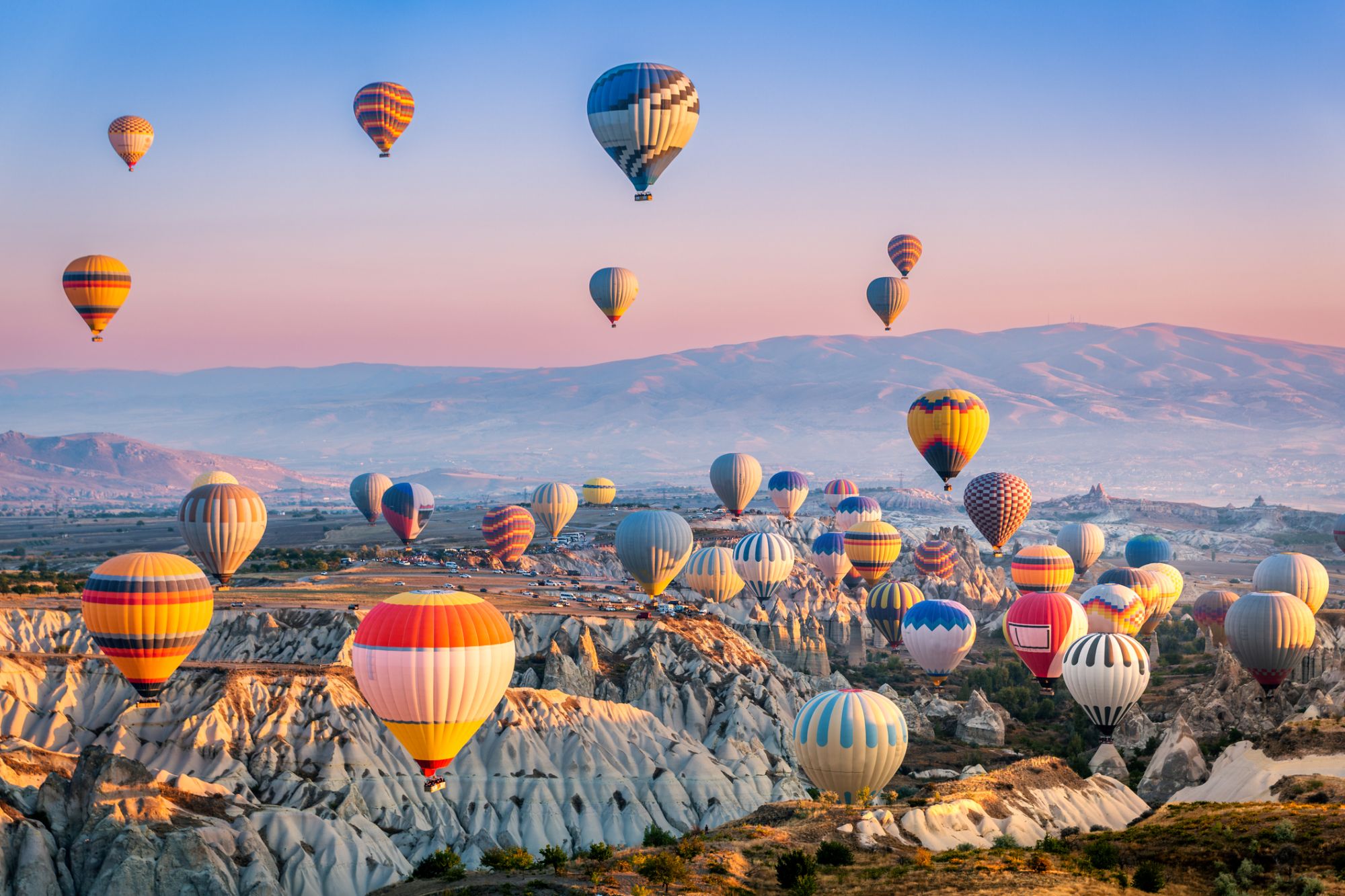
There are few places on earth that feel quite as otherworldly as Cappadocia. Here, honey-coloured valleys ripple across the horizon, cave churches hide centuries-old frescoes within volcanic cliffs, and hundreds of hot air balloons rise silently into the dawn sky. Yet one question remains constant among travellers planning their first visit: when is the best time to visit Cappadocia?
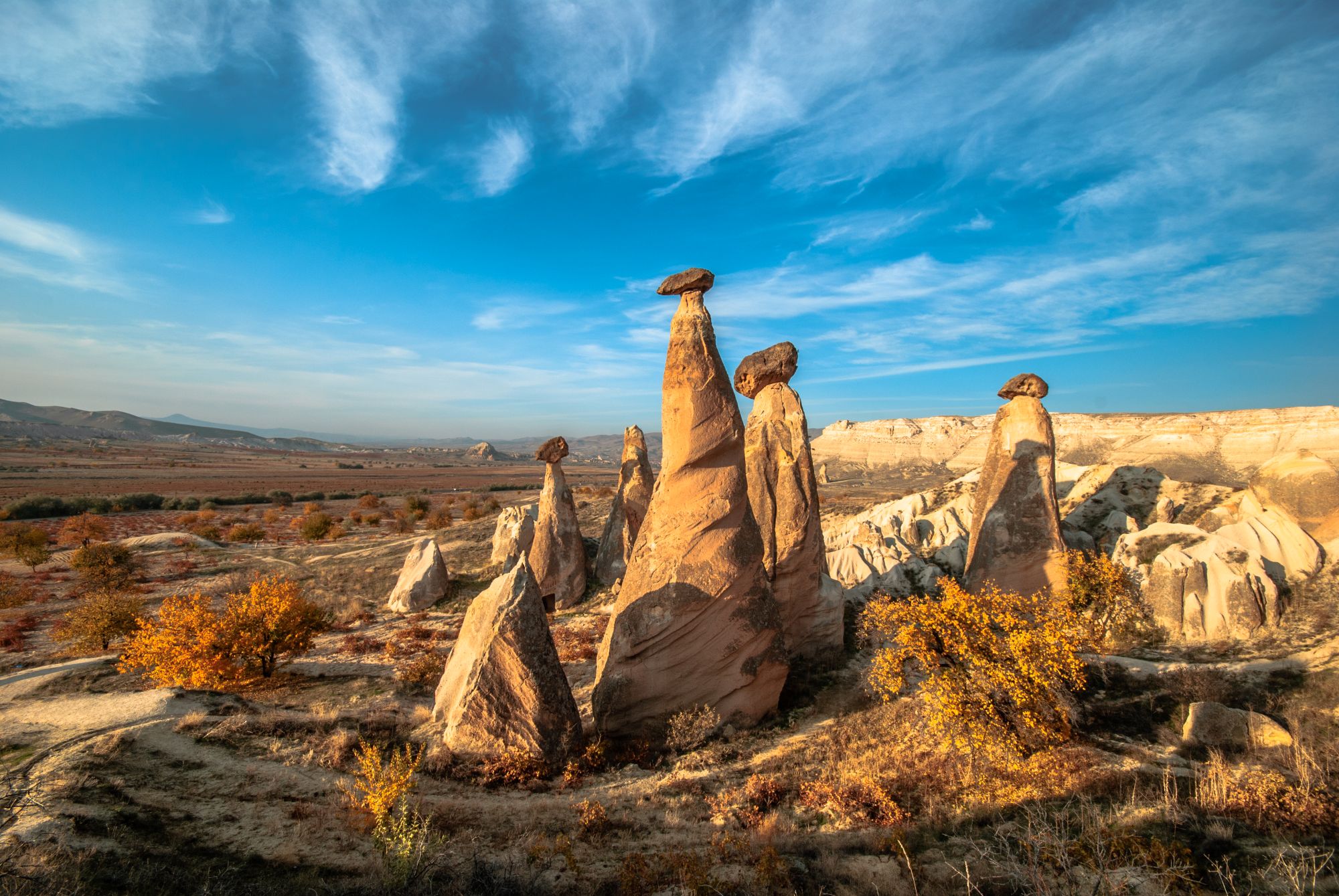
The truth is that Cappadocia is a destination for all seasons. Spring brings wildflowers and migrating birds, summer offers long days for exploring, autumn bathes the valleys in golden light, and winter transforms the fairy chimneys into a snow-dusted wonderland. The best time to visit depends entirely on the experiences you seek.
Whether you are hoping to float above the valleys in a hot air balloon, hike between ancient cave dwellings, ride on horseback through dramatic landscapes or cosy up beside a roaring fire in a cave suite with a glass of Anatolian red wine, this guide will help you decide when to visit Cappadocia.
At a Glance: When Is the Best Time to Visit Cappadocia?
Best for Hot Air Balloon Flights
May to October
Best for Hiking and Outdoor Adventures
April, May, June, September and October offer the most comfortable conditions for hiking.
Trails wind through Love Valley, Rose Valley, Red Valley and countless lesser-known routes, revealing hidden churches, cave dwellings and breathtaking viewpoints along the way.
Cappadocia’s valleys are among the most rewarding landscapes in Turkey to explore on foot. From Love Valley and Rose Valley to hidden cave churches and ancient trails, there is no shortage of adventures. Discover more in our guide to the best things to do in Cappadocia.
Best for Wildflowers
May
Best for Bird Watching
April, May and Autumn
Best for Photography
April, May, October and Winter
Best for Snow and Winter Experiences
December to March
Best for Skiing
November to April
Best for Fewer Crowds
November to March
Why Cappadocia’s Weather Surprises So Many Visitors
One of the most common mistakes travellers make when packing for Cappadocia is assuming that temperatures remain consistent throughout the day.
Unlike Turkey’s coastal resorts, Cappadocia sits on a high-altitude plateau deep within the Anatolian interior. Its continental steppe climate creates significant differences between daytime and night-time temperatures throughout the year.
Even during July and August, when afternoon temperatures regularly exceed 30°C, early morning temperatures can be as low as 15°C. This often comes as a surprise to visitors heading out before dawn for a hot air balloon flight.
The temperature difference becomes even more pronounced during spring and autumn. A warm afternoon spent exploring valleys and underground cities can quickly give way to a chilly evening once the sun disappears behind the volcanic ridges.
For this reason, we always recommend packing layers, regardless of season. A lightweight fleece, jacket or jumper is invaluable for sunrise balloon flights, evening dinners on roof terraces and early morning hikes through the valleys.
Comfortable walking shoes are equally essential. Cappadocia is best explored on foot, whether wandering through Goreme Open Air Museum, descending into subterranean cities or following trails through Love Valley, Rose Valley and Red Valley.
Best Time for Hot Air Balloon Flights in Cappadocia
For many visitors, a sunrise hot air balloon flight is the defining Cappadocia experience.
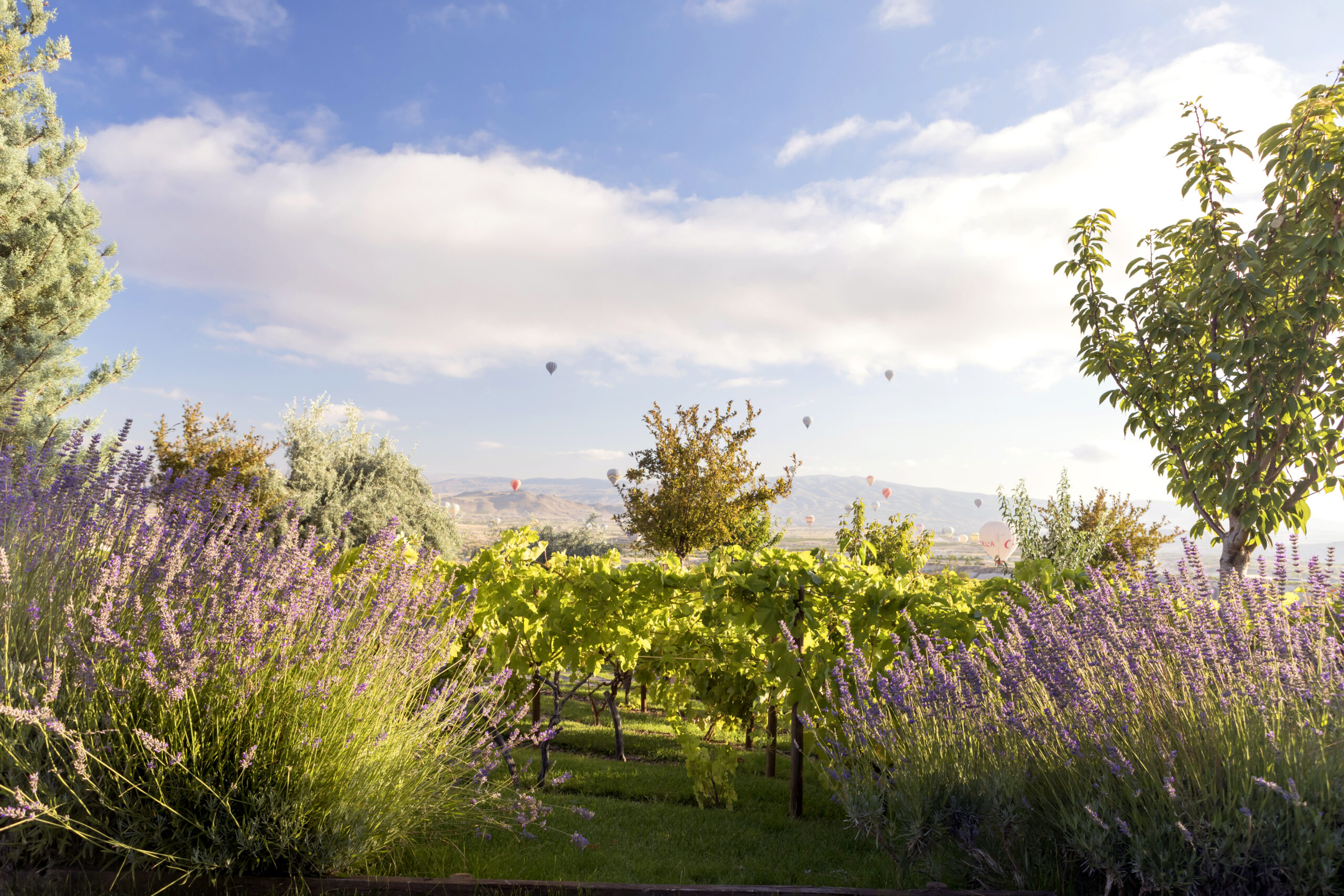
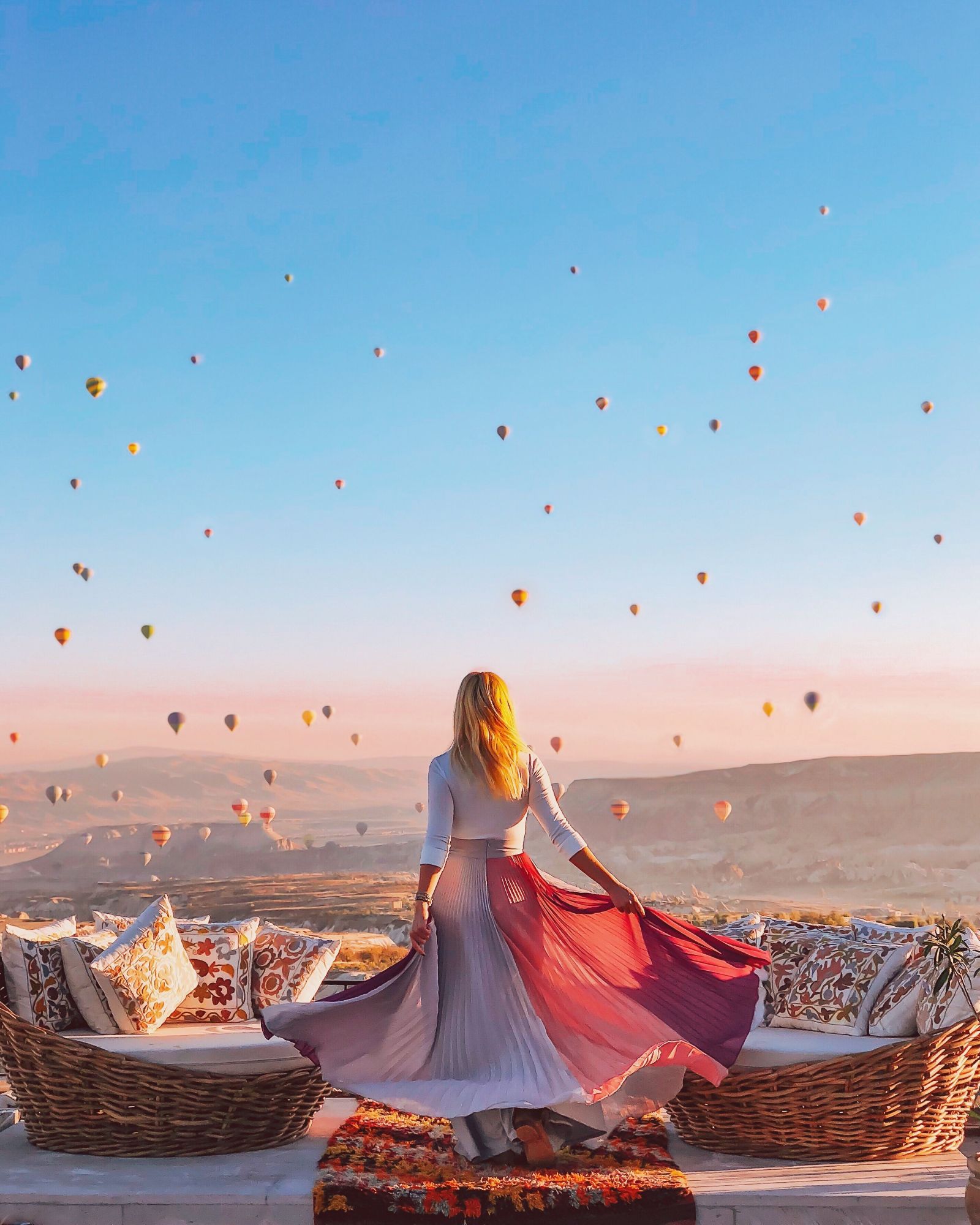
Flights take place at sunrise throughout much of the year, weather permitting. The pre-dawn starts can feel early, but watching hundreds of balloons rise above the valleys as the first light touches the fairy chimneys is one of travel’s truly unforgettable moments.
Spring and autumn are often considered the most comfortable seasons for ballooning, thanks to mild temperatures and excellent visibility. However, winter flights can be equally spectacular. Snow-covered valleys and frost-covered fairy chimneys create an entirely different landscape from the one most visitors imagine.
Regardless of season, remember that balloon flights always take place before sunrise and temperatures will be considerably cooler than they are later in the day.
Cappadocia in Spring (April and May)
Cappadocia in April
Average Temperature: 15.6°C
April marks the arrival of spring and one of the most rewarding times to explore Cappadocia on foot.
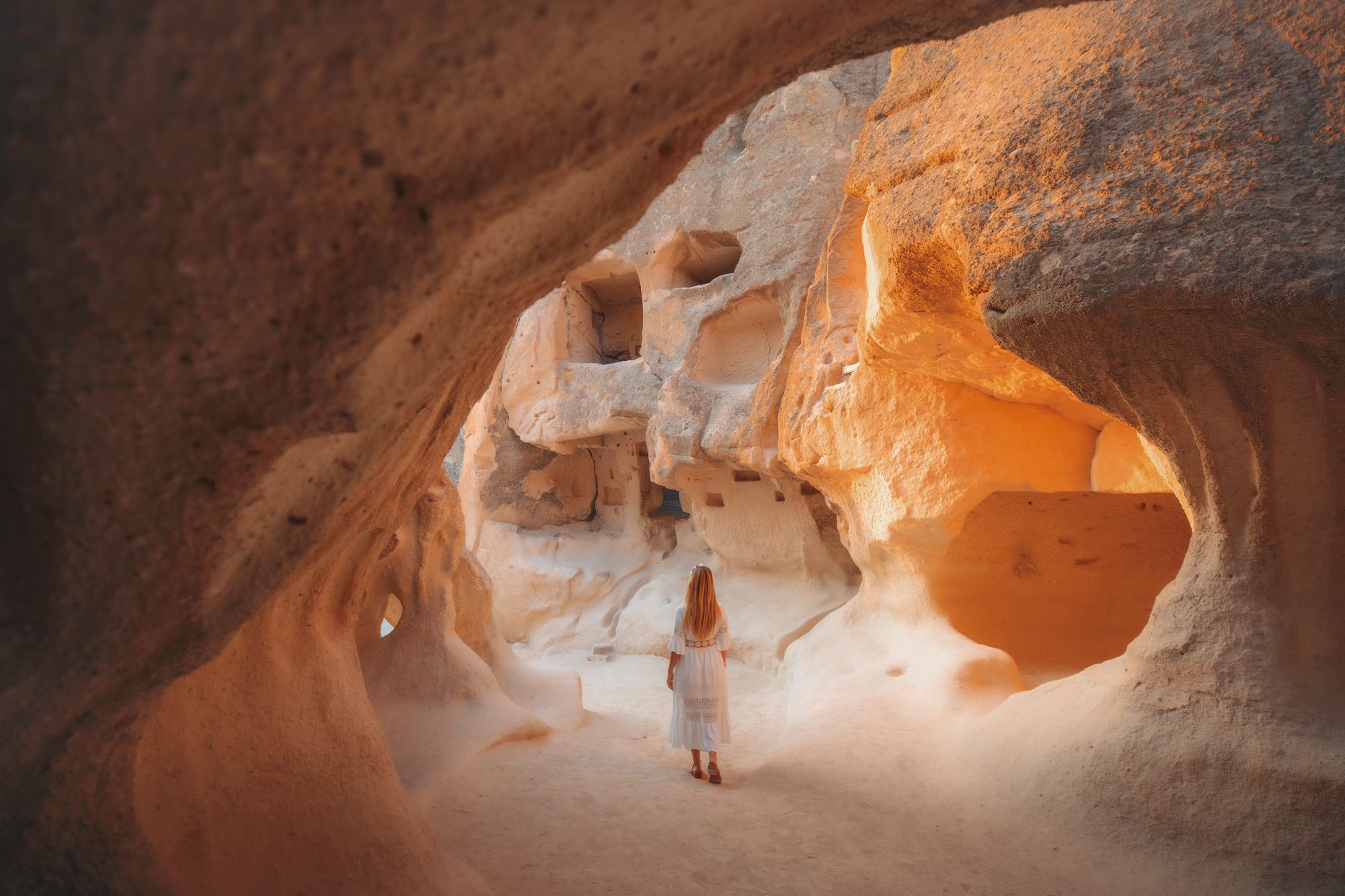
The valleys begin to green, temperatures become pleasantly mild and hiking conditions are superb. Trails wind between fairy chimneys, rock fortresses and hidden cave churches, while the region’s famous underground cities offer fascinating glimpses into Cappadocia’s past.
Birdwatchers will find April particularly rewarding. Positioned on a major migration route between Europe, Asia and Africa, the region attracts a fascinating variety of species including Laughing Doves, Pied Kingfishers and White-throated Robins.
April also offers a surprising bonus. Nearby Mount Erciyes often still provides excellent skiing conditions, making it possible to combine spring hiking with late-season skiing during a single trip.
Cappadocia in May
Average Temperature: 20.3°C
If there is a month that comes closest to perfection in Cappadocia, it may well be May.
The valleys are filled with wildflowers, including delicate miniature poppies that blanket the landscape with colour. Walking trails are at their most beautiful, while balloon flights benefit from comfortable temperatures and clear skies.
Wildlife enthusiasts may encounter mountain goats, deer, wild boar, eagles, owls and an extraordinary variety of butterflies. The region feels alive at this time of year.
May is also one of the finest months for photography, as fresh spring growth softens the volcanic landscape and creates striking contrasts against Cappadocia’s famous rock formations.
Cappadocia in Summer (June to August)
Cappadocia in June
Average Temperature: 24.7°C
June offers long, sunny days and ideal conditions for exploring Cappadocia’s valleys, cave churches and historic sites.
Early mornings are devoted to balloon flights, while the remainder of the day can be spent discovering hidden monasteries, ancient frescoes and remarkable geological formations.
The temperatures remain comfortable enough for active exploration while daylight hours stretch well into the evening.
Cappadocia in July and August
Average Temperature: 28°C
Summer brings clear skies, excellent visibility and long days.
While afternoons can be warm, Cappadocia’s dry climate makes sightseeing remarkably pleasant. Many visitors begin their days with a sunrise balloon flight before exploring the valleys during the cooler morning hours.
The region’s cave hotels are particularly appealing during summer. Built directly into the rock, they remain naturally cool and provide welcome respite from the midday sun.
Cappadocia in Autumn (September and October)
Cappadocia in September
Average Temperature: 24.4°C
September is widely regarded as one of the best months to visit Cappadocia.
The intense heat of summer begins to fade while the landscape remains warm and inviting. Conditions for hiking, mountain biking and horse riding are exceptional, and the valleys regain much of the tranquillity that characterises Cappadocia at its best.
Cappadocia in October
Average Temperature: 18.2°C
October combines crisp mornings, warm afternoons and beautiful golden light.
For photographers, walkers and couples seeking a more peaceful experience, it is difficult to imagine a better month. The softer temperatures make exploring the valleys particularly enjoyable, while balloon flights continue to offer spectacular conditions.
Is Cappadocia Worth Visiting in Winter?
Absolutely.
In fact, winter may be Cappadocia’s best-kept secret.
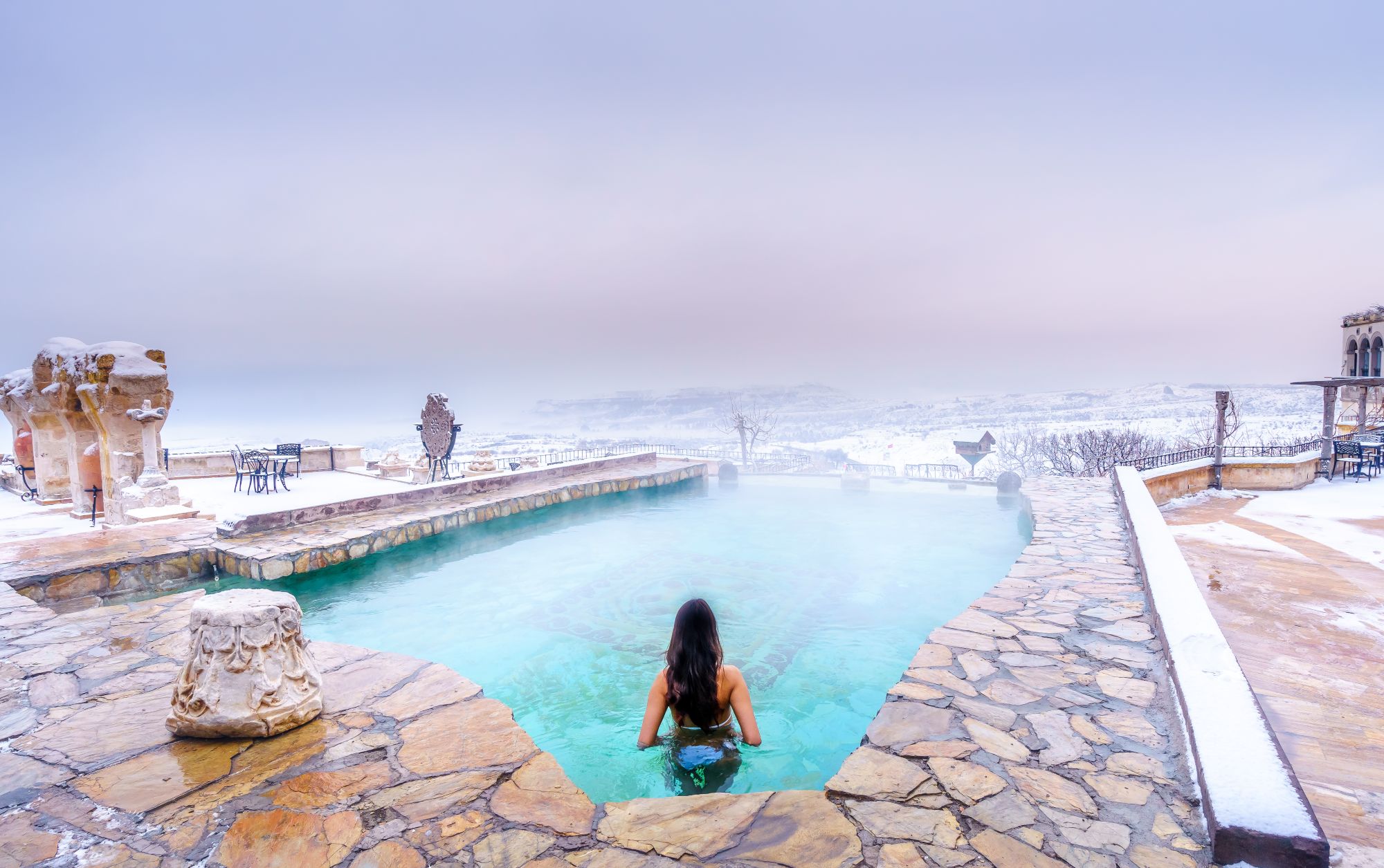
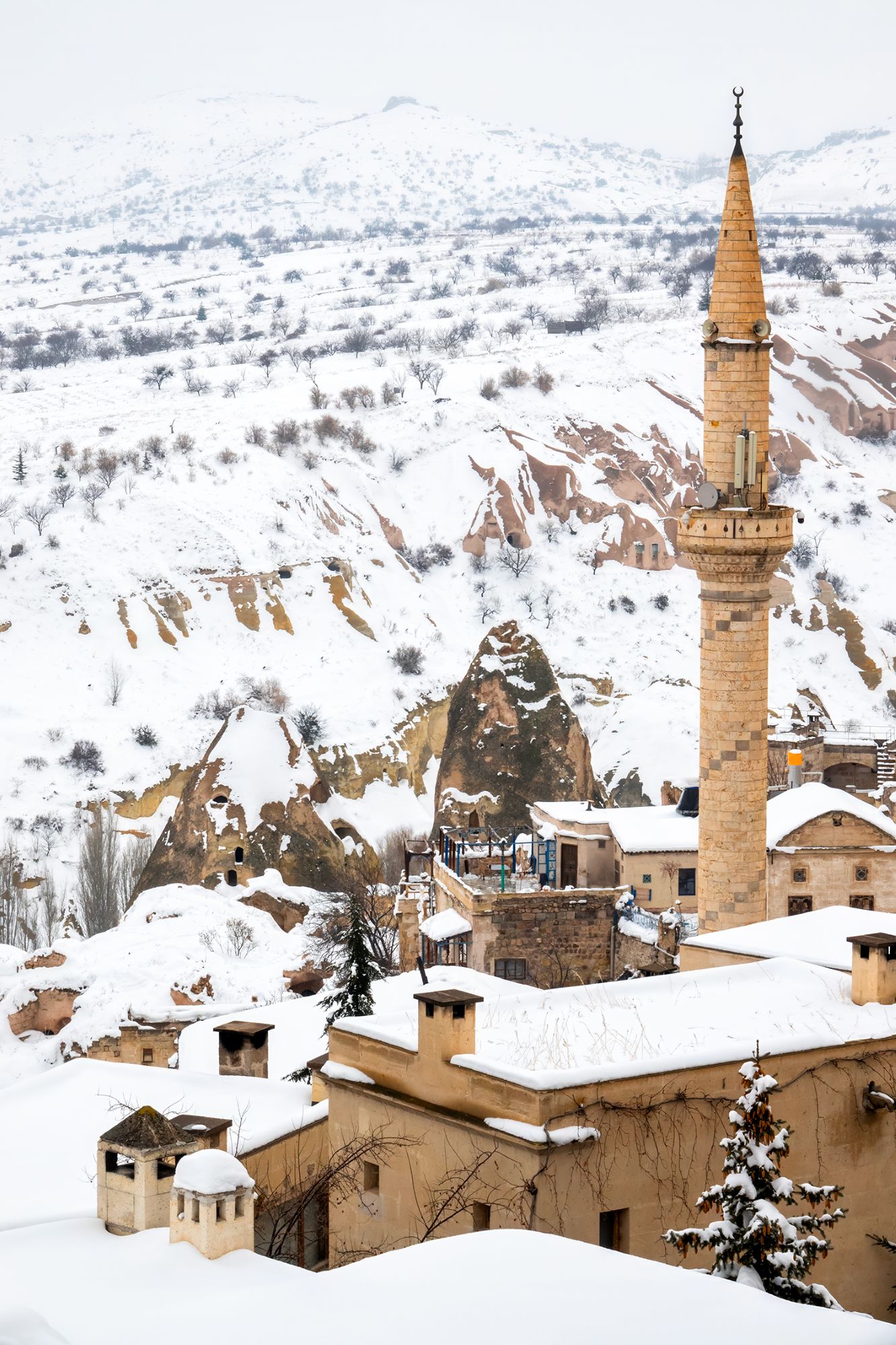
While most visitors focus on spring and autumn, the colder months reveal an entirely different side of the region. Snow settles across the fairy chimneys and volcanic valleys, transforming the landscape into something that feels almost mythical.
For many of us at Discerning Collection, winter is actually our favourite time to visit.
There is something unforgettable about riding on horseback through snow-covered valleys before returning to a cave suite warmed by flickering firelight. Outside, the fairy chimneys sit beneath a blanket of snow. Inside, a glass of Anatolian red wine and a hearty testi kebab await.
Winter also brings fewer visitors, creating a quieter and more intimate atmosphere throughout the region. Popular viewpoints, hiking trails and historic sites become wonderfully peaceful.
Nearby Mount Erciyes adds another dimension entirely. With peaks reaching 3,000 metres and reliable snowfall throughout much of the season, it has become one of Turkey’s most exciting ski destinations. Combining skiing with cave hotel stays and Cappadocia’s remarkable landscapes creates an experience few travellers realise is possible.
Cappadocia in November
Average temperature: 11°C
November is a wonderfully underrated month in Cappadocia. The air is cool, the light is soft and the valleys begin to settle into their quieter winter rhythm. It remains an excellent time for trekking, sightseeing and hot air balloon flights, with fewer visitors at the major viewpoints and historic sites.
Cappadocia in December
Average temperature: 5.4°C
December brings a more wintry atmosphere, with colder mornings, crisp days and the possibility of snow across the valleys. It is a beautiful month for atmospheric photography, cave hotel stays, fireside dinners and exploring the region’s underground cities and rock-cut churches without the busier seasonal crowds.
Cappadocia in January
Average temperature: 3.6°C
January is the coldest month of the year, but also one of the most dramatic. Snow-covered fairy chimneys, peaceful valleys and cosy cave suites make Cappadocia feel wonderfully removed from the everyday. It is an excellent month for winter walking, horse riding in the snow, bird watching and skiing at Mount Erciyes.
Cappadocia in February
Average temperature: 5°C
February continues the winter mood, with crisp air, snowy landscapes and beautifully quiet trails. For travellers who enjoy atmospheric landscapes, hearty Anatolian food and a slower pace, this can be a deeply rewarding time to visit. Balloon flights still operate when weather conditions allow, and the snow-dusted scenery can be spectacular from above.
Cappadocia in March
Average temperature: 10°C
March marks the gradual return of spring. The days begin to soften, walking conditions improve and bird migration becomes increasingly interesting. It is still cool, especially early in the morning and after sunset, but the region starts to wake again after winter. For those wanting a quieter pre-season escape, March offers a lovely balance of atmosphere, space and early spring promise.
Best Time to Visit Cappadocia for Hiking
April, May, June, September and October offer the most comfortable conditions for hiking.
Trails wind through Love Valley, Rose Valley, Red Valley and countless lesser-known routes, revealing hidden churches, cave dwellings and breathtaking viewpoints along the way.
Best Time to Visit Cappadocia for Wildlife and Bird Watching
Spring and autumn are particularly rewarding for wildlife enthusiasts.
The region’s position on a major migration route attracts a remarkable variety of birds, while the surrounding landscapes support deer, mountain goats, wild boar, reptiles, eagles, owls and hundreds of butterfly species.
For travellers interested in nature, Cappadocia offers far more than hot air balloons and fairy chimneys.
Frequently Asked Questions
What is the best month to visit Cappadocia?
May, June, September and October offer the best balance of weather, ballooning conditions and outdoor activities.
Does it snow in Cappadocia?
Yes. Snowfall is common during winter and transforms the region into one of Turkey’s most atmospheric destinations.
Can you fly in a hot air balloon all year round?
Balloon flights operate throughout much of the year, weather permitting, and always take place at sunrise.
What should I wear in Cappadocia?
Layers are essential. Even in summer, temperatures during sunrise balloon flights can be significantly cooler than they are during the afternoon.
Can you ski near Cappadocia?
Yes. Mount Erciyes offers excellent skiing from November to April and can easily be combined with a Cappadocia holiday.
How many days do you need in Cappadocia?
We recommend a minimum of three nights to fully appreciate the region’s landscapes, balloon flights, valleys, cave churches and underground cities.
Frequently Asked Questions
Best Time to Visit Cappadocia for Hiking
April, May, June, September and October offer the most comfortable conditions for hiking.
Trails wind through Love Valley, Rose Valley, Red Valley and countless lesser-known routes, revealing hidden churches, cave dwellings and breathtaking viewpoints along the way.
Best Time to Visit Cappadocia for Wildlife and Bird Watching
Spring and autumn are particularly rewarding for wildlife enthusiasts.
The region’s position on a major migration route attracts a remarkable variety of birds, while the surrounding landscapes support deer, mountain goats, wild boar, reptiles, eagles, owls and hundreds of butterfly species.
For travellers interested in nature, Cappadocia offers far more than hot air balloons and fairy chimneys.
Frequently Asked Questions
What is the best month to visit Cappadocia?
May, June, September and October offer the best balance of weather, ballooning conditions and outdoor activities.
Does it snow in Cappadocia?
Yes. Snowfall is common during winter and transforms the region into one of Turkey’s most atmospheric destinations.
Can you fly in a hot air balloon all year round?
Balloon flights operate throughout much of the year, weather permitting, and always take place at sunrise.
What should I wear in Cappadocia?
Layers are essential. Even in summer, temperatures during sunrise balloon flights can be significantly cooler than they are during the afternoon.
Can you ski near Cappadocia?
Yes. Mount Erciyes offers excellent skiing from November to April and can easily be combined with a Cappadocia holiday.
How many days do you need in Cappadocia?
We recommend a minimum of three nights to fully appreciate the region’s landscapes, balloon flights, valleys, cave churches and underground cities.
Ready to start planning your journey?
Explore our complete Cappadocia destination guide, discover the best things to do in Cappadocia, learn more about Cappadocia’s history, geology and culture, and find our recommendations on where to stay in Cappadocia.